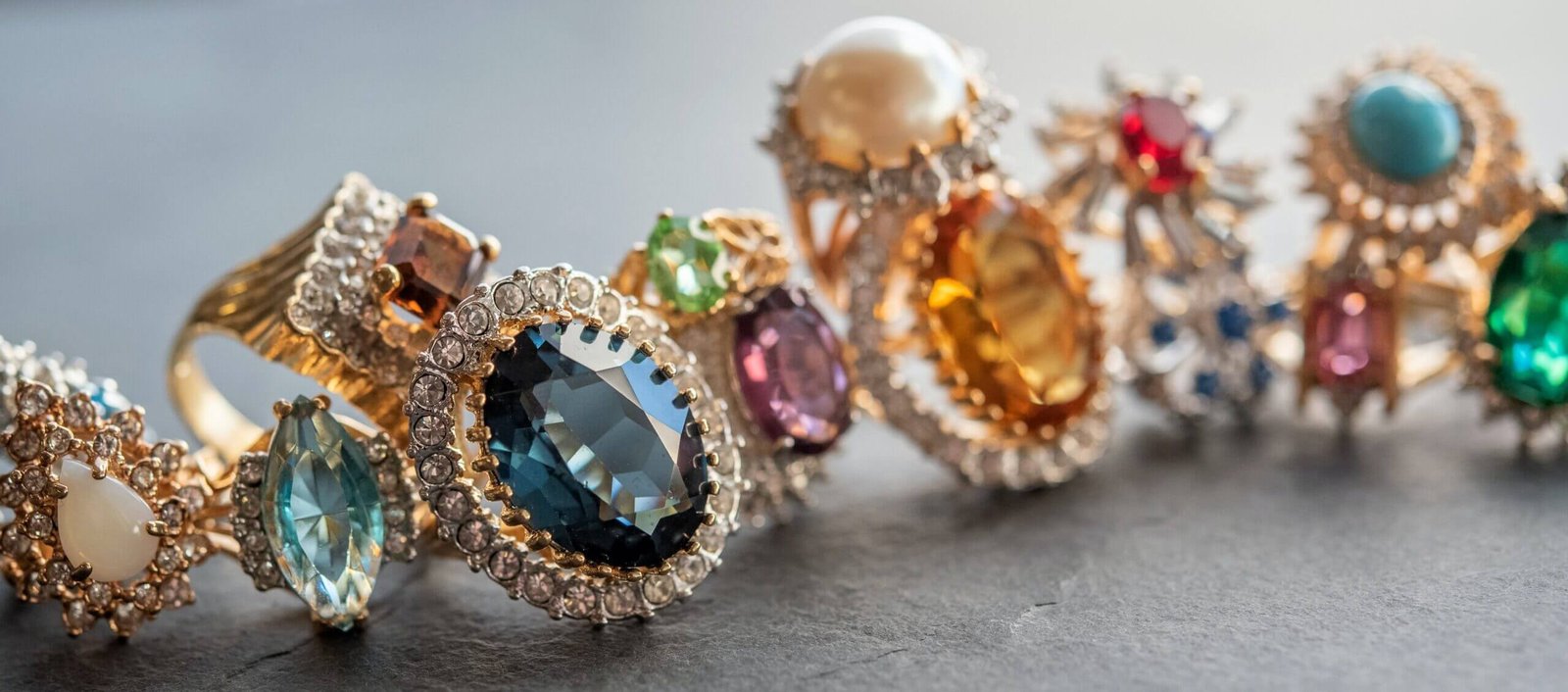
Have you ever held a sapphire up to the light and wondered why it seems to be trying on a green personality?
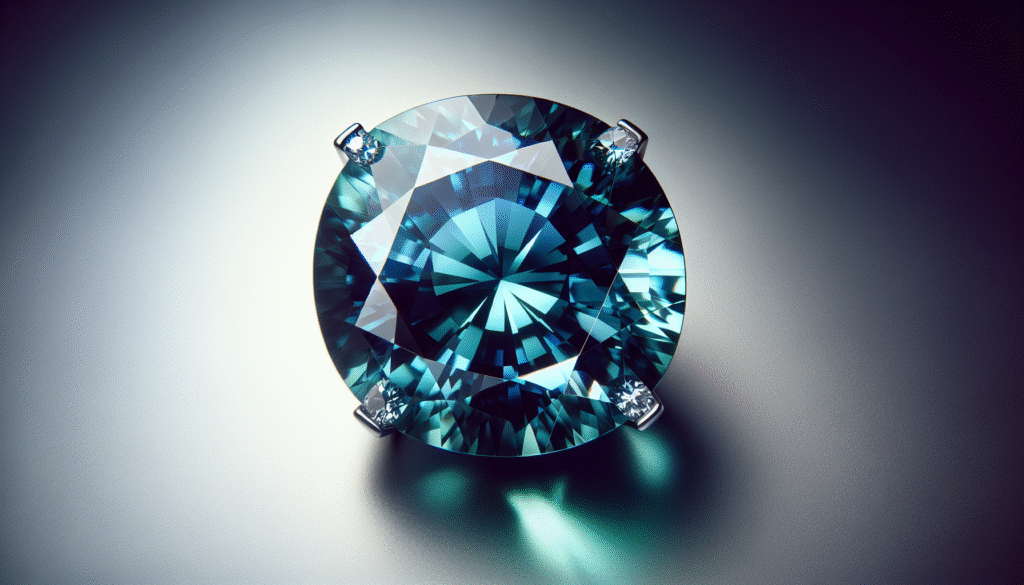

Why Does My Sapphire Look Green?
You’re not imagining things, and the sapphire is not undergoing an identity crisis. Sapphires are a notoriously fickle bunch when it comes to color perception. In most cases the greenish cast comes from a mixture of chemistry, light, and setting — sometimes natural, sometimes treated, and sometimes the result of something entirely different masquerading as sapphire.
What you expect versus what you see
You probably expect a sapphire to be blue, pure and steadfast like an old promise. Instead, the stone offers you green notes — like a reluctant crooner switching genres mid-song. This section explains why that betrayal of color happens and what it might mean for the value and identity of the gem.
The basic chemistry: why corundum shows color
Sapphire is a variety of corundum, which is aluminum oxide. Pure corundum is colorless; color appears when trace elements substitute into the crystal lattice. Those trace elements are the culprits behind the blues, greens, yellows, and more.
The role of trace elements
Chromium gives the red of ruby, while iron and titanium produce blue sapphires. Vanadium can shift color toward green. When you see greenish blue, it’s often because iron’s influence is pulling the color toward yellow-green. In short, a slight change in chemistry changes everything — just like that one spice that ruins a casserole.
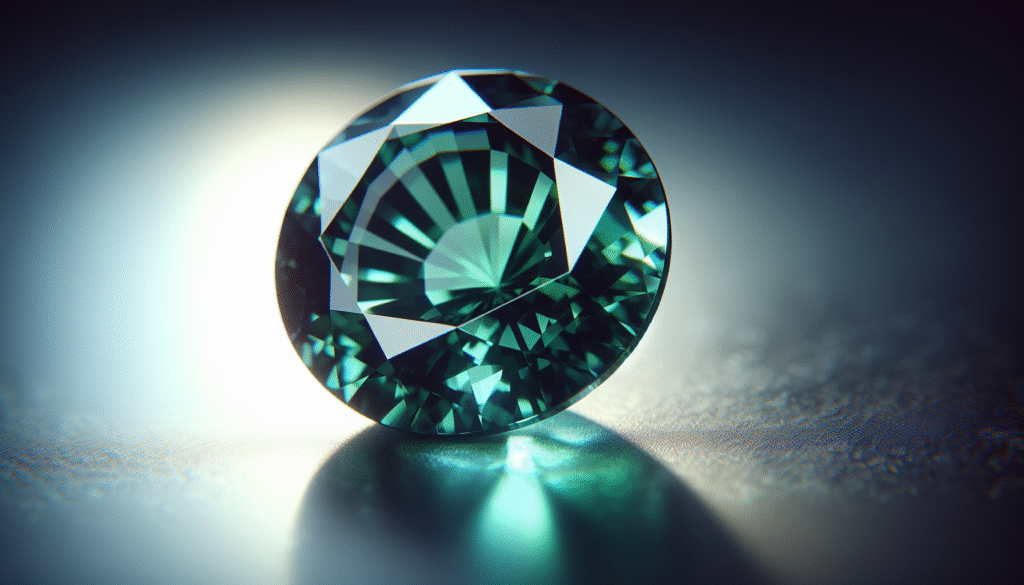
Natural green sapphires exist
Yes, some sapphires are naturally green. You might own a green sapphire rather than a blue one wearing a green coat. These are not as common as blue sapphires, but they are a legitimate and beautiful part of the corundum family. If your stone is genuinely green, it could be a green sapphire rather than a blue sapphire that turned green.
Color mixing and human perception
You see color through light and brain filters. The same stone under different light will appear different to you. Your brain resolves mixed wavelengths, and sometimes it leans toward green.
Lighting conditions matter enormously
Daylight, incandescent bulbs, fluorescent tubes, and LEDs all produce different spectra. A blue sapphire can look greener under a warm light source that lacks strong blue wavelengths, or vice versa. This is why you might admire a stone in store lighting and later be baffled at home.
Background, clothing, and skin tones influence perception
The metal of the setting, the color of your sleeve, or even the redness of your knuckles can change how you perceive the stone. A yellow gold setting can tilt a blue sapphire toward green visually, because your eye integrates surrounding colors with the stone’s light.
Optical phenomena inside the stone
Sapphires are not optically boring. Several internal features affect color: pleochroism, color zoning, and inclusions.
Pleochroism: sapphire’s multiple personalities
Pleochroism means the stone shows different colors from different angles. If your sapphire is pleochroic, you could see blue from one angle and green from another. This is perfectly normal and a hallmark of many natural corundums.
Color zoning: stripes and patches of color
Color zoning is when a single crystal has areas of different color. You might have a blue core with a green rim, or alternating zones that look like geological rings. When you facet or cut the stone, those zones become visible in ways that can surprise you.
Inclusions that tint color
Tiny inclusions — mineral crystals, liquid, or gas — can scatter light and shift the apparent color. In some sapphires, rich iron-bearing inclusions can give a greenish cast.
Treatments and enhancements that cause green tones
The trade in gems includes many treatments, and some of them change color. Not all treatments are sinister, but they affect what you see and how you should value the stone.
Heat treatment: the industry standard
Most sapphires are heat-treated to improve color and clarity. Heat can reduce or redistribute color-causing elements. Sometimes heat treatment can mute blue tones and reveal greener hues, depending on the stone’s chemistry.
Diffusion treatment: surface color changes
Diffusion treatment forces elements like beryllium or chromium into the surface at high temperatures. Diffusion can produce striking green or yellow-green skins on sapphires. These colors may not penetrate deeply, so if your stone is green on the surface but blue underneath, diffusion might be the reason.
Irradiation and dyeing
Irradiation can alter color but is less common for sapphires than for other gems. Dyeing is rare and generally limited to lower-quality stones or simulants. Either can create odd colors that look unnatural up close.

Misidentification: it may not be sapphire at all
You could be holding a different green gemstone that was sold to you as sapphire, or a simulant that behaves like glass. Not every bluish-green stone in a setting is corundum.
Emerald, tourmaline, peridot, chrome diopside
Some green gems are close cousins in appearance. For instance, chrome diopside is an intense green but much softer. Green tourmaline and peridot have different optical and hardness properties. If the hardness doesn’t match corundum (9 on Mohs), it may be a different mineral.
Glass and synthetic simulants
Glass can be made in every color and is often used as a cheap substitute. Synthetic corundum also exists and can be tinted green. These often lack the inclusions and optical character of natural stones and can be detected with simple tools.
How settings and jewelry design influence color
Your setting can reinforce or change the perceived color. Jewelers know this and sometimes exploit it.
Metal choice shifts apparent color
Yellow gold reflects warm tones into the stone, which can nudge blue into a teal or greenish look. White metals like platinum or white gold reflect neutral light, which tends to preserve the stone’s original appearance.
Mounting style and light exposure
A bezel setting can hide the pavilion and reduce light return, flattening color and making a stone look darker or greener. Open-prong settings allow more light and may reveal the stone’s true blue.
Tests you can perform at home
You don’t need a full gem lab to get useful clues. A few simple tools and tricks will tell you a lot about your stone.
Tools to have on hand
- 10x loupe: look for natural inclusions versus bubbles or seed crystals typical of glass.
- Small flashlight or lamp: observe color under different lights.
- White paper: use as a neutral background for color comparison.
- Fingernail or file (not recommended to scratch a mounted stone): hardness tests should be done by professionals if possible.
Simple checks and what they mean
- Scratch test: if the stone scratches easily, it’s not corundum. Avoid this on mounted gems.
- Bubbles: visible round bubbles suggest glass.
- Color change under different light: strong color change might suggest different chemistry or a doublet/triplett construction.
- Look for growth lines and natural inclusions: these are good signs of natural sapphire.
Professional tests and when to get them
Sometimes home tests aren’t enough. When the piece is valuable, a professional report is worth it.
What labs do differently
Reputable labs (GIA, SSEF, AGL) use spectroscopy, microscopy, and advanced imaging to identify treatments, synthetics, and origin. They can tell you whether green color is natural, heat-induced, or the result of diffusion.
When to send the stone
Send the stone if it’s high-value, if you suspect intentional misrepresentation, or if you need documentation for insurance. Reports can take time and money, but they protect your investment and sanity.
Value implications of a greenish tint
Color plays a central role in a sapphire’s value. Greenish notes often reduce value if you intended a pure blue; sometimes they increase value if you have a rare and desirable green sapphire.
Grading color: hue, tone, saturation
The market cares about hue (blue, green, yellow), tone (light to dark), and saturation (vividness). A pure, vivid blue is usually more valuable than a blue-green mix unless the green sapphire is particularly fine and rare.
Treated stones versus natural
Untreated clean green sapphires from desirable localities can be valuable. Treated stones, especially those with shallow diffusion colors, often command lower prices and should be disclosed.
Comparison table: common causes for green appearance
This table gives a quick reference to likely causes, how to spot them, and what to do next.
| Cause | How it looks | Clues to check | Likely next step |
|---|---|---|---|
| Natural green sapphire | Even green or green-blue, depth varies | Microscopic inclusions typical of corundum, consistent color | Get valuation and origin report if valuable |
| Blue sapphire with green tint (iron influence) | Blue with yellowish shift, subtle | Color changes under light, natural inclusions | Consider lighting and setting changes; lab report if needed |
| Pleochroism/color zoning | Different colors at different angles | Rotate stone; colors shift | Re-cutting may change appearance; document as natural |
| Heat-treated blue turning greener | Muted blue, sometimes uneven | Heat-treatment signs under microscope | Treated stones are common; value reflects treatment |
| Diffusion-treated (surface color) | Intense surface color, uneven or concentrated | Color peels at re-polished surfaces, concentration near surface | Disclosure required; lower market value |
| Simulant (glass, synthetic) | Unnatural uniformity, bubbles, low hardness | Bubbles, lack of natural inclusions, wrong hardness | Return to seller; lab ID recommended |
| Setting effect | Stone looks greener on finger than loose | Change metal (visual test) | Alter setting or consult jeweler |
Lighting comparison: how a sapphire can change
Different light sources can make the same stone behave like multiple personalities. Use the chart to see what to expect.
| Light source | Typical effect on sapphires | What you should do |
|---|---|---|
| Daylight (north light) | Shows true, balanced hue; often bluest appearance | Use for final color judgment |
| Warm incandescent | Favours yellow/green tones; blues can warm up | Don’t judge color solely under warm bulbs |
| Fluorescent | Can make blues pop or look washed depending on spectrum | Compare to daylight |
| LED (varies) | Depends on LED spectrum; cool LEDs enhance blue | Try a neutral white LED, but prefer daylight |
Testing tools professionals use
If you’re considering professional testing, know the instruments and what they reveal.
Common lab instruments
- Spectroscope: shows absorption lines revealing chromium, iron, vanadium.
- Microscope: identifies inclusions, growth patterns, diffusion layers.
- FTIR and Raman spectroscopy: probe chemical bonds and identify treatments.
- Chemical analysis (LA-ICP-MS): determines trace element signatures and possible origin. These tools tell you more than your eye ever could, and they do so with slow, methodical suspicion.
What to ask the seller or jeweler
If you’re buying or already own the piece, questions protect you like a sensible umbrella in a commuter storm.
Essential questions
- Is the sapphire natural or synthetic?
- Has it been heat-treated, diffused, or otherwise enhanced?
- Can you provide a lab report or certificate?
- What is the origin (if known) and why does that matter? If the seller hesitates or produces vague answers, treat the stone like a meal from an ambiguous food truck: proceed cautiously.
Cleaning and care if your sapphire looks green
Your cleaning routine won’t change its chemistry, but it can influence how color reads through surface film and oils.
Safe cleaning steps
- Warm water, mild soap, soft brush, rinse, and pat dry with a soft cloth.
- Ultrasonic cleaners are usually safe for untreated or heat-treated sapphires but risky for stones with surface diffusion or certain inclusions.
- Avoid harsh acids or household chemicals that might affect some treatments.
What to avoid
Avoid steam cleaning and harsh ultrasonic use on diffusion-treated stones or complex mounted pieces. Also avoid amateur attempts to change color with household products — that will not end well for you or the gem.
When recoloring or re-cutting makes sense
Sometimes a skilled cutter can shift color by adjusting angles, removing green zones, or recutting for a more desirable hue.
Recutting considerations
Re-cutting sacrifices weight for color improvement and may increase or decrease value depending on outcome. If your sapphire has strong color zoning, re-cutting might unify color or worsen it; consult a trusted gem cutter first.
Re-setting for color enhancement
Changing the metal to white gold or platinum, or altering the mount to let in more light, can reduce a greenish look. Re-setting is a reversible, low-cost first step compared to recutting.
Buying tips to avoid surprises
You want the person selling you a gem to be more honest than a politician, and with better paperwork.
Smart purchase checklist
- Demand clear disclosure of treatments.
- Request a reputable lab report for expensive stones.
- Compare color in daylight and store lighting.
- Bring a friend who’s impartial and has good eyesight.
- Consider return policies and lifetime guarantees.
Frequently asked questions
This section answers the little things that nag at you when staring at your stone at 2 a.m.
Can a sapphire change color over time?
Sapphires are chemically stable; they shouldn’t change color with age unless exposed to unusual chemicals or extreme heat. Any sudden color shift suggests a treatment or repair issue.
Are green sapphires less valuable than blue ones?
Not always. Some green sapphires, especially vivid, clean examples from notable sources, can command high prices. Market preference usually favors blue, but rarity and clarity matter more than hue alone.
Can cleaning remove green tint?
Cleaning removes surface oils and residue that might affect color perception, but it won’t change the underlying mineral color. If the green is from diffusion surface doping, heavy polishing could alter appearance, but that’s a professional job.
How do you tell if a green stone is a sapphire or peridot?
Check hardness (sapphire is 9; peridot is about 6.5–7). Look for different types of inclusions and pleochroism; a gemological lab will provide a conclusive ID.
Practical scenarios and what to do
Here are some concrete situations and the appropriate responses you can take.
Scenario 1: Stone bought online looks green in person
Return to the seller with photos and ask for a refund or lab report. If the seller resists, seek a buyer protection claim or a gemologist’s opinion.
Scenario 2: Family heirloom looks green on one hand, blue on the other
This is probably pleochroism and setting influence. Try the stone loose under daylight or have it inspected by a pro to confirm it’s natural corundum.
Scenario 3: The stone has an intense green rim
Consider diffusion treatment. Get a lab report. Re-cutting could remove the rim but will reduce weight.
Closing thoughts
You’re holding something that refracts not just light but history and chemistry and human ambition. When a sapphire looks green, it’s rarely a simple mistake; it’s the result of a conversation between elements, light, and craftsmanship. Sometimes the green is a flaw, sometimes a feature, and sometimes an invitation to learn more about the stone you own.
Take comfort in knowing that most causes are explainable and fixable, or at least manageable. Whether you keep it, recut it, re-set it, or send it to a lab, you now have a plan and a set of questions to ask that will keep you from feeling like you’ve bought a novelty from an inept magician.
If you want, you can tell the jeweler you’re researching the color and watch how quickly their expressions change from polished indifference to professional eagerness. That reaction alone is often worth the price of admission.