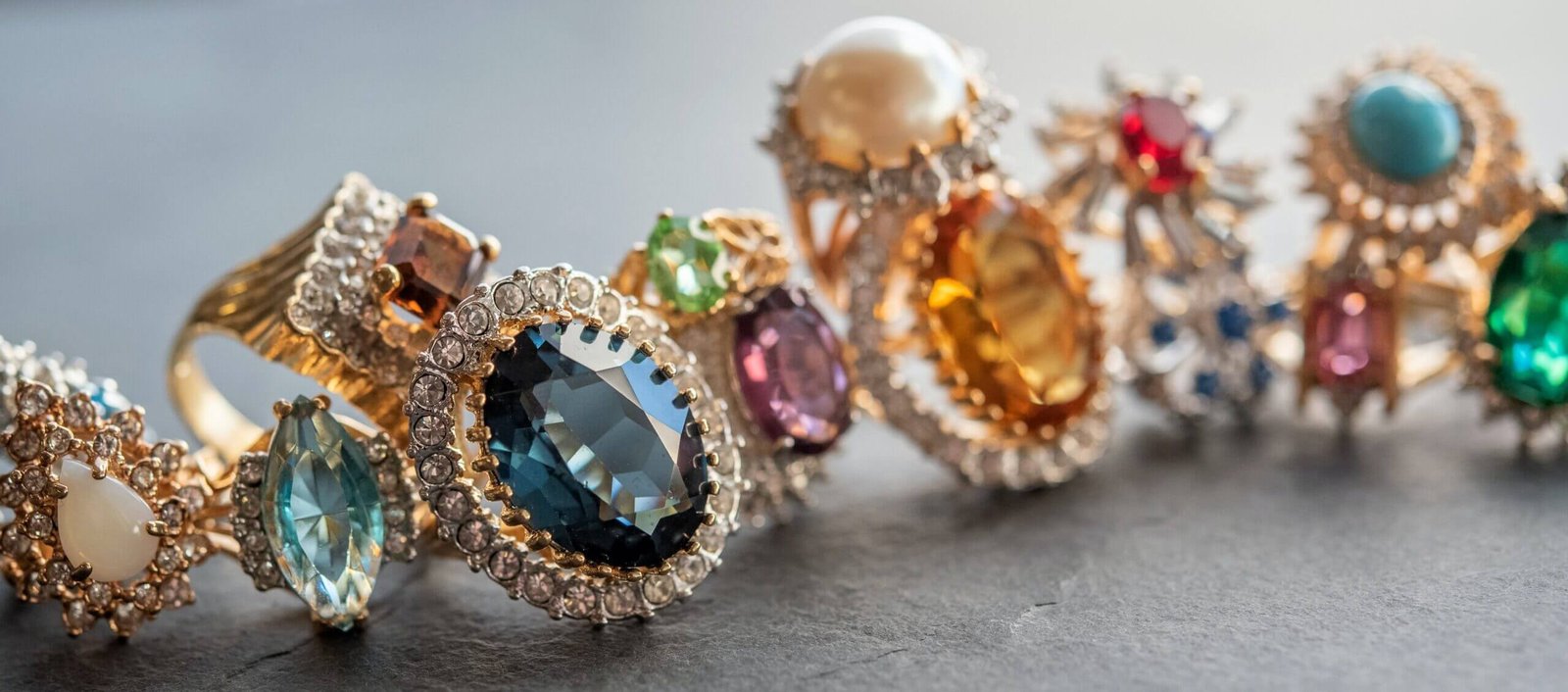
?Have you ever caught yourself squinting at a jewelry case, trying to weigh whether the cool, storied blue of a sapphire is worth more than the blazing, time-tested sparkle of a diamond?
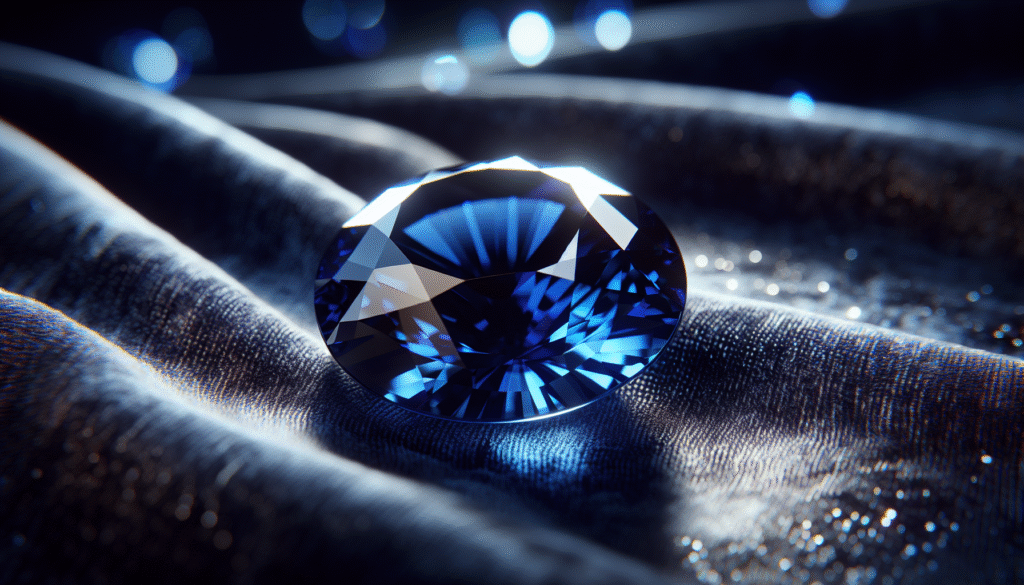

Are Sapphires More Valuable Than Diamonds?
You’ll find opinions delivered with the solemnity of a eulogy in jewelry stores and on internet forums, but value is not a single thing you can lift and weigh. It’s a stew of rarity, color, size, cultural meaning, market demand, and sometimes simple fashion whimsy. By the time you finish this piece, you’ll be able to argue convincingly at dinner parties, or at least state your preference with confidence.
What “Value” Actually Means for Gemstones
When you think of value you probably imagine price tags and auctions, but gemological value includes emotional worth, resale potential, investment prospects, and cultural significance too. You’ll need to keep track of both objective measures (like carat, color, clarity, cut) and subjective forces (taste, brand, celebrity endorsements) when you ask which stone is “more valuable.”
The 4 Cs and Beyond
You know the four cardinal Cs for diamonds: Cut, Color, Clarity, and Carat. Those same elements matter for sapphires, though they play different roles. For sapphires, color typically dominates; for diamonds, cut and color grade often dictate visual impact and price.
Rarity, Provenance, and Demand
Rarity is not the only king; provenance (where a gem was mined) changes perception and price dramatically. You’ll notice that a Kashmir sapphire will command premiums the way a classic diamond with fancy color might. Market demand fluctuates: an engagement-ring trend or a celebrity wearing a blue stone can tilt the scales overnight.
Sapphires: What You Should Know
Sapphires are corundum, the same mineral family as rubies, and their palette ranges beyond the blue everyone pictures. You should imagine everything from cornflower blue and teal to padparadscha (a rare pinkish-orange), each with its own value cues.
Color and Saturation Are King
When you consider a sapphire, color intensity is your primary friend. You’ll pay the most attention to hue (blue, pink, yellow, etc.), tone (light to dark), and saturation (vivid, strong, medium). The most prized blue sapphires have a vivid, velvety tone without leaning too dark.
Clarity and Inclusions
You’ve probably been trained to fear inclusions, but sapphires often contain tiny fingerprint-like inclusions that can confirm natural origin. Extremely clean sapphires are rare and can be very expensive, but clarity standards are more flexible than with diamonds because color often matters more to the eye.
Cut and Shape
Cut brings a sapphire’s color to life. You’ll find mixed cuts that preserve weight and optimize color. Unlike diamonds where facets sparkle, with sapphires you’re evaluating how evenly the color plays across the stone.
Size Matters, But Not Alone
Large sapphires command strong prices if they retain excellent color. You’ll notice that a seven-carat good-color sapphire can be rarer than a similar-sized diamond simply because the color intensity is harder to maintain at larger sizes.
Origin Stories — Kashmir, Burma, Ceylon
You’ll hear marketing claims about Kashmir, Burma (Myanmar), and Ceylon (Sri Lanka). Kashmir sapphires are legendary and can fetch prices that make collectors giddy; true Kashmir stones are exceptionally rare. Origin adds a dramatic narrative that often inflates perceived value.
Treatments and Their Impact
Heat treatment is common and generally accepted to improve color and clarity. Untreated sapphires with great color are scarce and command premium prices. You should always ask for disclosure: heat-treated vs. untreated can be the difference of thousands of dollars.
Diamonds: What You Should Know
You’ll think diamonds are the universal standard for value, and in many contexts, they are. Diamonds dominate engagement rings and high-end jewelry markets, but their value structure is distinct.
Cut Is the Showman
For diamonds, the cut determines how light plays and influences perceived brightness and fire. You’ll often find a perfectly cut diamond looks far more valuable than a larger diamond with poor cut.
Color Grading and Fancy Colors
Colorless diamonds (graded D to Z) are common in valuation discussions. You’ll also encounter “fancy color” diamonds—pink, blue, yellow—that can be worth multiples of colorless stones. The Argyle mine’s closure elevated the value of pink diamonds dramatically.
Clarity and Market Tolerance
Diamonds are judged more strictly for clarity than sapphires. You’ll likely not tolerate visible inclusions in a diamond as readily as you would in a sapphire, because a diamond’s brilliance is compromised by flaws.
Carat Weight and Pricing
Diamonds are famously priced by the carat, and prices escalate exponentially with size. You’ll notice price jumps at specific weight milestones (1.00 ct, 1.50 ct, 2.00 ct), which is less pronounced in sapphires where color trumps strict carat pricing.
Lab-Grown and Treated Diamonds
You’ll encounter lab-grown diamonds that are chemically identical to natural ones. Their pricing, ethical concerns, and resale value differ from mined diamonds. Treatment disclosures matter here, too.

Quick Comparison Table: Core Traits
This table summarizes how sapphires and diamonds compare across key attributes you care about.
| Trait | Sapphire | Diamond |
|---|---|---|
| Chemical family | Corundum | Carbon |
| Hardness (Mohs) | 9 | 10 |
| Primary value driver | Color/saturation | Cut & color (plus carat) |
| Common treatments | Heat (widely accepted), diffusion (controversial) | None (but can be clarity/HPHT treated) |
| Notable origin premiums | Kashmir, Burma, Sri Lanka | South Africa, Russia (historically), specific mines for fancy colors |
| Typical market use | Statement gems, colored engagement rings | Engagement rings, investment, classic jewelry |
| Resale liquidity | Lower than diamonds generally, higher for rare origins | Higher, especially for certified quality stones |
| Ethical concerns | Varies by origin; lower-profile conflicts | High-profile conflicts (historically), but certification helps |
Price Ranges: What You Might Expect to Pay
You’ll want concrete numbers, though remember that gem markets fluctuate. The following table gives approximate retail price ranges per carat for good-quality stones (certified), not estate or auction extremes.
| Gem Type & Quality | Typical Price per Carat (USD) |
|---|---|
| Good-quality blue sapphire (1 ct) | $400 – $2,500 |
| Very fine blue sapphire (1 ct, vivid color, untreated) | $3,000 – $20,000+ |
| Kashmir sapphire (rare, exceptional) | $20,000 – $200,000+ |
| Colorless diamond (1 ct, H-SI1 quality) | $2,500 – $6,000 |
| Colorless diamond (1 ct, D-F, VVS clarity, excellent cut) | $8,000 – $25,000+ |
| Fancy colored diamond (rare colors) | $50,000 – several million |
You’ll note these ranges overlap and that exceptional sapphires can outprice many diamonds—but so can rare diamonds outprice sapphires. Context matters.
Market Behavior and Investment Considerations
Investing in gems is unlike buying stocks; liquidity is lower and emotional value often drives buyer decisions. You’ll find both stones can be investments, but they perform differently.
Liquidity and Resale
You should expect diamonds—especially standardized, certified stones—to be easier to resell at predictable prices. Sapphires can be harder to liquidate unless they have a famous origin or exceptional color.
Auction Records and Rarity
Rare sapphires (Kashmir, untreated, large size) have set stunning auction results. You’ll also see record-breaking prices for colored diamonds (e.g., the blue Hope diamond family, the Pink Star). Each exceptional sale tends to be for stones with unusual provenance or color that captivates collectors.
Emotional Premiums and Fashion Cycles
Trends matter. You’ll see surges when public figures choose sapphires; in other eras, diamonds reigned unchallenged. Because of this, your timing and marketing matter if you buy a gemstone as investment.
Treatments, Disclosure, and How They Affect Value
If you walk into a store and someone begins a sentence with “enhanced,” you should reach for your listening ears. Treatments can be acceptable and common; full disclosure is essential for fair value.
Heat Treatment for Sapphires
Heat treatment improves color and clarity and is generally accepted in the trade, but untreated stones with equal aesthetics are far rarer and more valuable. You’ll want a lab report stating whether treatment occurred.
Diffusion and Other Controversial Processes
Diffusion treatments add color to the surface and are often considered less desirable. You should avoid paying top prices for diffusion-treated stones sold as natural color.
Diamond Treatments and Lab-Grown
Diamonds can be clarity-enhanced (filling fractures) or subjected to HPHT (high-pressure, high-temperature) to change color. Lab-grown diamonds are real diamonds by chemical composition, but price and resale expectations differ from natural stones. In every case, disclosure is non-negotiable.
Ethical and Environmental Considerations You Should Ask About
Your conscience will sometimes outprice your wallet, and that’s reasonable. You’ll want to know the provenance and ethical practices behind your gem, especially if you’re buying a significant piece.
Mining Impact and Responsible Sourcing
Both sapphires and diamonds come from mines that have had problematic histories. You should look for partners that participate in responsible sourcing programs and provide chain-of-custody documentation.
Certifications and Documentation
You’ll feel reassured by certificates from labs like GIA, AGL, or SSEF. These documents provide proof of origin, treatment disclosure, and gem properties. For diamonds, GIA and AGS grades are industry benchmarks.
Lab-Grown Alternatives and Ethics
You may prefer lab-grown gems for lower environmental impact and cost. You’ll get the look for less, but you should know the resale and perceived prestige differ.
How to Buy: Practical Steps for Smart Purchases
Buying a significant gemstone can feel like adopting a small, expensive animal. You should prepare, ask questions, and aim for documentation.
Start with Certification
Insist on a certificate from a reputable lab. You won’t be buying unless you can verify carat, color, clarity, treatment, and origin where applicable.
Inspect in Person and Understand Lighting
Color can shift with light. You should view sapphires under daylight-equivalent lighting and ask to see diamonds set and loose to evaluate cut brilliance.
Ask About Return Policies and Buyback
You’ll feel safer with a seller who offers a return window or buyback program. This is often a sign of a reputable dealer.
Compare Prices and Get Multiple Appraisals
You should compare prices across reputable sellers and consider an independent appraisal for insurance and resale planning.
Consider the Setting and Wearability
A stone’s setting affects perceived value and durability. Sapphires are tough but can chip if set poorly. Diamonds are very hard but can still suffer from edge damage depending on cut and mounting.
Care and Maintenance: What You’ll Need to Know
Once you own the gem, maintaining it preserves value. You’ll clean, inspect, and insure.
Cleaning and Daily Care
You can clean sapphires and diamonds with warm soapy water and a soft brush. You should avoid ultrasonic cleaners for certain stones with inclusions or treatments unless a professional approves.
Regular Professional Inspections
You should have settings inspected every six to twelve months to ensure prongs are secure. A loose stone invites disaster and devalues your piece.
Insurance and Documentation
You’ll protect your investment with proper insurance and keep gem certificates safe. Appraisals should be updated periodically to reflect current market values.
Famous Sapphires and Diamonds: Cultural Weight
Sometimes a gem’s story increases its market value. You’ll see prices swell when history, romance, or notoriety is attached.
Iconic Sapphires
Think of the engagement ring of the late Princess Diana, now worn by another prominent person; such sapphires become globally iconic. You’ll notice collectors covet these stones as much for their narrative as for their gemological qualities.
Famous Diamonds
The Hope Diamond or famous auctioned pink diamonds show how narrative, celebrity, and rarity mix into astonishing prices. You’ll hear about these at parties and feel suitably small in the face of auction catalogs.
When Sapphires Can Be More Valuable Than Diamonds
You’ll sometimes encounter sapphires that outprice many diamonds. This is common when the sapphire is:
- Untreated and of exceptional color and saturation.
- Large and retains even color distribution.
- From a legendary origin like Kashmir, with provenance documentation.
- A rare color variety (padparadscha, vivid pinks, strong teal) particularly if untreated.
When Diamonds Outprice Sapphires
Diamonds will often outrun sapphires when:
- They are high-color, high-clarity, excellent-cut stones of significant carat weight.
- They are rare fancy-color diamonds (pink, blue, red).
- They are certified and have strong resale demand.
Practical Scenarios: How to Decide What to Buy
You’ll need a framework to choose.
Scenario A: You Want an Investment Piece
If resale predictability matters, you’ll lean toward certified, classic diamonds with strong cut and color grades. Diamonds typically have broader secondary markets.
Scenario B: You Want a Unique Statement
If you crave individuality, a top-color, untreated sapphire is compelling. You’ll own something rare that reflects taste over convention.
Scenario C: You Prioritize Ethics and Cost
You might consider lab-grown diamonds or ethically sourced sapphires. You’ll save money and reduce environmental footprint but accept potential resale trade-offs.
Scenario D: Sentimental Purchase
For engagement rings and heirlooms, choose what speaks to you. You’ll find the story and emotional fit often outweigh pure market calculations.
Quick FAQs You’ll Appreciate
You’ll have questions. Here are short answers.
- Can sapphires be more valuable than diamonds? Yes—especially rare, untreated sapphires or legendary-origin stones can fetch higher prices than many diamonds.
- Are sapphires durable? Yes. With a 9 on the Mohs scale, sapphires are excellent for everyday wear.
- Should you buy certified stones? Absolutely. Certification reduces risk and proves value.
- Do lab-grown diamonds hold value? They’re cheaper and carry less resale value than natural diamonds.
- Are treated stones worthless? Not at all, but treatments should be disclosed and valued accordingly.
Final Thoughts and Practical Advice
You’ll leave jewelry counters with an odd mixture of confidence and confusion, which is normal. If you want a conversation starter on your finger, you might choose a sapphire. If you want something with steady market recognition and resale ease, diamonds are a dependable choice.
When you decide, do so with certificate in hand, knowledge of origin and treatment, and a clear sense of why you wanted the stone in the first place. That reason—beauty, rarity, sentiment, or investment—will be the true determinant of worth.
If you ever find yourself at a counter again, squinting at two nearly identical stones, remember this: value is a conversation between what the gem is and what you want it to be. You’d be doing yourself a favor to listen to both sides.