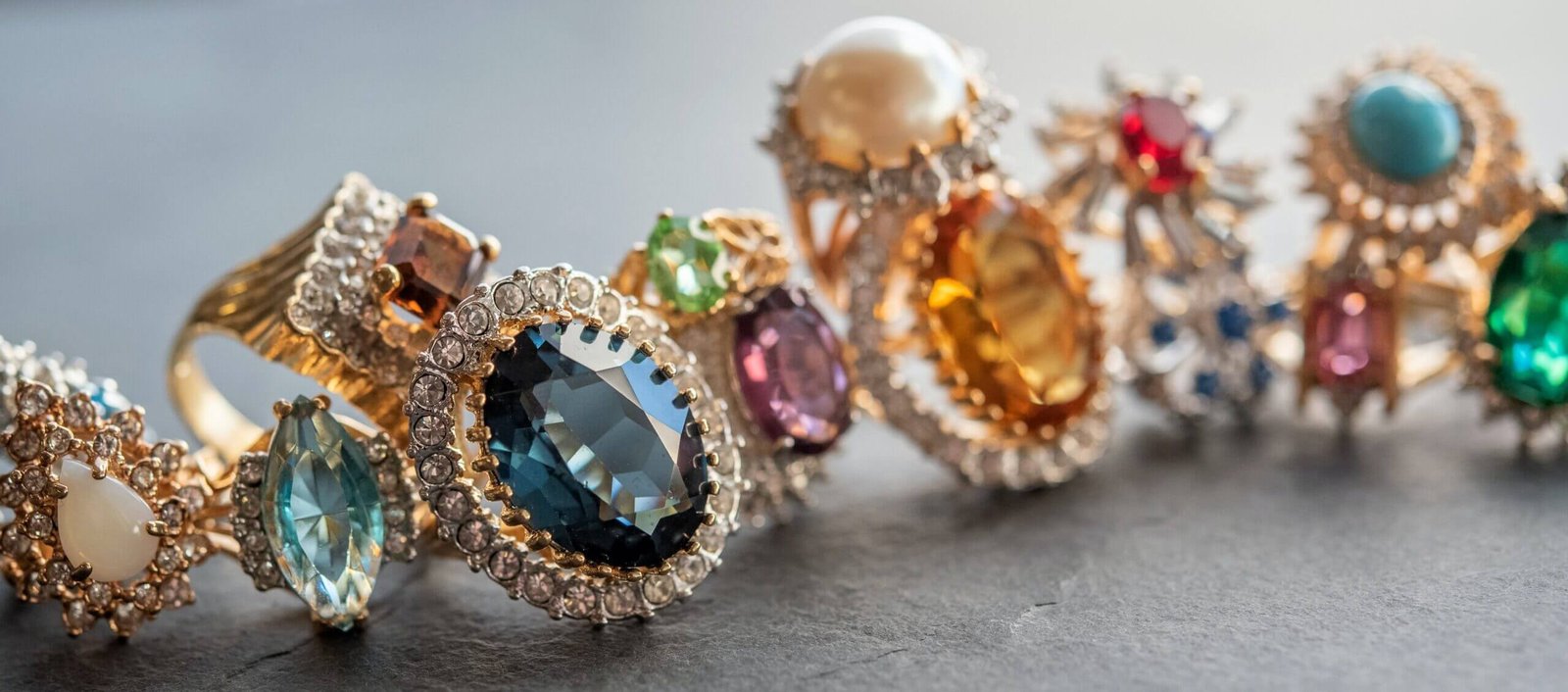
?Have you ever held a piece of banded stone in your hand and wondered whether it’s a pretty paperweight or something that could actually pay for your next impulse online purchase?
Are Agate Rocks Worth Money?
If you’ve been collecting rocks since childhood, or if you just found a slab of striped agate in a sidewalk crack and thought, “This looks expensive,” you’re not alone. Agate sits in an odd place: it’s both abundant and, at times, surprisingly valuable. You could be lugging a handful of ordinary pebbles home from a beach, or you might stumble across a specimen that sends a couple of gem dealers into near-hysterics. This article will walk you through why some agates command serious money, while most are blissfully inexpensive and perfectly suited to your next DIY project.

What Is Agate?
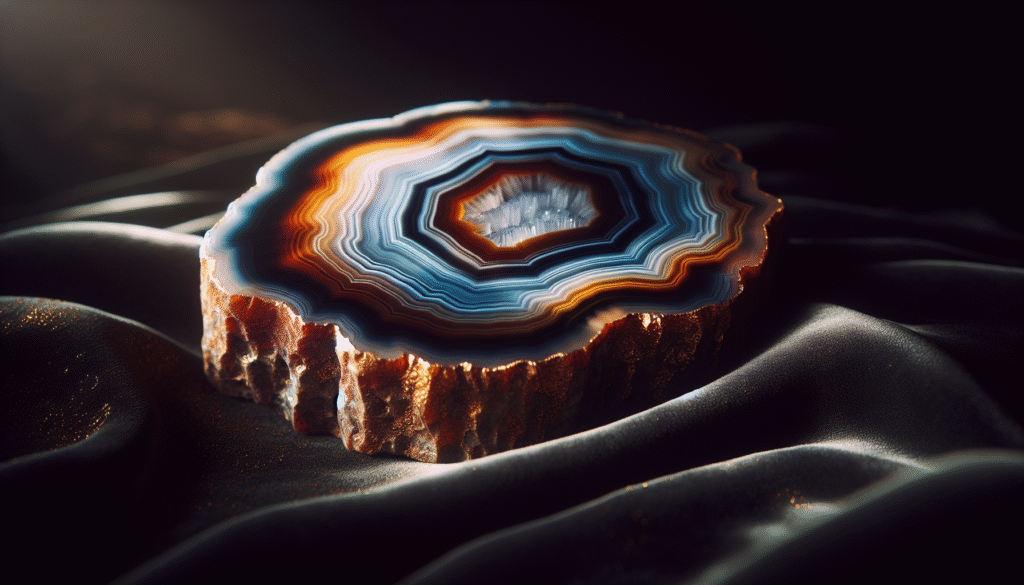
You’ll hear many flowery descriptions of agate — “banded chalcedony,” “a microcrystalline form of quartz,” and so on — but the practical truth is simpler: agate is a variety of chalcedony (a type of quartz) that usually forms in concentric layers inside cavities of volcanic rocks. Those layers create the bands and patterns you find attractive, or strangely hypnotic if you’re the type who stares at stones while waiting for coffee.
Agate forms when silica-rich water enters a void in volcanic or sedimentary rock. Over time, the silica gels, crystallizes, and lays down layers of microcrystalline quartz. Different impurities and trace elements create different colors and patterns. The result is an enormous diversity of appearance and, consequently, value.
How Agate Differs from Other Stones
You’ll sometimes confuse agate with jasper, onyx, or other forms of chalcedony. The shorthand: jasper is opaque, agate is banded and more translucent, and onyx tends to have parallel bands. But the lines blur, especially after cutting and polishing. For collectors, context matters: where it was found and how it looks under a lamp are often more important than the label given by a seller.
Types of Agate You’ll Encounter
There is a bewildering variety of agates, and part of the fun (or the frustration) is learning their names. Some types are common and inexpensive, while others are highly prized and can fetch high prices at auctions and galleries.
Here’s a helpful table to orient you:
| Type of Agate | Distinctive Features | Typical Value Range* |
|---|---|---|
| Banded Agate (generic) | Concentric bands in varied colors | Low to moderate |
| Botswana Agate | Fine, parallel banding often in pinks/greys | Moderate to high |
| Laguna Agate | Intense, colorful banding — prized by collectors | Moderate to high |
| Crazy Lace Agate | Highly intricate, lacy patterns, from Mexico | Moderate to high |
| Moss & Dendritic Agate | Plant- or tree-like inclusions, mostly translucent | Low to moderate |
| Fire Agate | Iridescent, “fire” play-of-color | Moderate to high |
| Botswana/Laguna Hi-grade | Exceptionally fine color and pattern | High to very high |
| Plume Agate | Plume-like inclusions resembling clouds or flowers | Moderate to high |
| Blue Lace Agate | Soft blue bands, often used in cabochons | Low to moderate |
*Values vary widely based on size, quality, and market demand.
You’ll notice the same names show up repeatedly in gem shows and online shops. Laguna and Botswana agates have established reputations for high-quality banding and color. Fire agate is appreciated for its iridescent flashes. Moss and dendritic agates are loved for their little “landscapes” inside the stone.
Factors That Determine an Agate’s Value
If you’re trying to appraise agate, you need to think like someone who collects things obsessively. Several factors influence price, often interacting in ways that make valuation oddly subjective.
Color and Pattern
You usually pay for visual interest. Vivid, contrasting bands, unexpected color combinations, and unique patterns raise value. A stone with a single boring grey band is usually just sentimental. One with electric pinks, tight concentric rings, or intricate laces will make dealers smile in a way that suggests profit.
Translucency and Luster
Agate ranges from nearly opaque to almost glassy. Higher translucency, combined with a good polish, tends to increase value. You’ll appreciate how light moves through a thin-aged slice of agate — that inner glow is what turns a slab into a display piece.
Size and Weight
Bigger isn’t always better, but large, intact slabs or sizeable polished halves can command substantially higher prices because they’re rarer in top quality and useful for display or jewelry making.
Rarity and Source
Where an agate came from matters. Certain localities (Laguna in Mexico, Botswana in southern Africa, particular sites in the U.S. and Brazil) are known for producing distinct and desirable varieties. Provenance can add both cachet and actual dollars to a piece.
Condition and Finish
A flaking edge, a series of micro-fractures, or poor cutting will lower the price. Conversely, a high-quality polish and careful trimming can enhance value significantly.
Treatments and Enhancements
Many agates are dyed to enhance color. Dyed pieces are often cheaper and should be labeled. You’ll want to avoid paying top-dollar for an obviously dyed calico that nobody bothered to mention was artificially colored.
Market Demand
Trends change. Fashion and the jewelry market push certain looks into desirability for a season or a decade. If a designer makes a ring featuring a particular banding pattern, expect demand (and prices) to rise.
Here’s a table summarizing these factors:
| Factor | What to Look For | Effect on Price |
|---|---|---|
| Color/Pattern | Bright, contrasting bands; unique patterns | Major influence |
| Translucency | Light transmission and inner glow | Positive if high |
| Size | Larger, unbroken specimens | Positive if high-quality |
| Source/Provenance | Known localities (Laguna, Botswana) | Can increase value |
| Condition | No cracks, good polish | Positive |
| Treatments | Dyed or stabilized | Lowers value unless disclosed |
| Market Trends | Fashion, jewelry demand | Fluctuating impact |
Typical Price Ranges (What You Might Expect to Pay or Receive)
You’ll find wildly varying price points for agate. The context of sale (local rock shop vs. curated gallery vs. online auction) matters a great deal. Below are ballpark ranges that reflect common market realities, not hard rules.
- Common raw agate pebbles: $1–$10 each.
- Polished slices (small, decorative): $5–$50.
- Cabochons for jewelry: $10–$200 depending on size and pattern.
- High-quality slabs or display halves (Laguna, Botswana): $100–$2,000+ for exceptional pieces.
- Museum-quality or historically significant agates: prices can escalate into the tens of thousands, though this is rare and usually involves provenance.
Remember, “museum-quality” is not a label most sellers will slap on lightly. You’ll want to see documentation and maybe a comforting handshake.
Example Price Table
| Item | Typical Retail Price Range |
|---|---|
| Small polished tumble agate | $1–$10 |
| Small cabochon (common pattern) | $10–$50 |
| Medium cabochon (attractive banding) | $50–$150 |
| Polished display slab (common locality) | $50–$400 |
| High-grade Laguna or Botswana slab | $300–$2,000+ |
| Fire agate cabochon (high iridescence) | $50–$500 |
| Exceptional collector specimens | $1,000–$50,000+ (rare) |
How to Tell If an Agate Is Worth Money
You’ll want a practical checklist when appraising potential money-makers. Here are the essentials.
- Visual Impact: Does the stone make you stop and stare? If yes, it probably will catch a buyer’s eye too.
- Strong Patterning: Tight, clear banding is more valuable than random, faint stripes.
- Color: Natural, saturated colors typically fetch more than dull hues or obviously dyed pieces.
- Translucency: Hold the agate to the light. Good translucency with even color is a plus.
- Condition: Look for cracks, chips, or poor healing fractures.
- Provenance: Ask where it came from — certain localities carry a premium.
- Treatment Disclosure: If the stone is dyed or stabilized, this usually reduces its value. Legit sellers will say so upfront.
Some quick tests: run a needle across the surface (on an inconspicuous spot) to check for dye — a color that rubs off means treatment. Use a jeweler’s loupe to look for characteristic banding and microtexture.

How to Tell If an Agate Is Dyed or Treated
Treatment is common. You’ll want to know when a vibrant color is natural and when it’s a cheap aesthetic trick.
- Look for over-concentrated color near cracks or pores — that’s a sign of dye.
- Scrub a small area with acetone on a cotton swab; if color transfers, it’s dyed.
- Under magnification, natural agate has gradual color transitions; dyed agate shows abrupt, saturated planes.
- Sellers should label treatments. If they don’t, be skeptical.
Dyed agates are not worthless; they’re just worth less and should be priced accordingly.
Buying and Selling Agate: Practical Advice
Whether you’re buying to collect, to make jewelry, or to flip for a profit, you’ll want a plan.
If You’re Buying
- Buy from reputable dealers for high-value pieces. Ask for return policies and provenance.
- Compare prices: check online marketplaces, local gem shows, and smaller lapidary clubs.
- Inspect in person if possible: a good polish can hide imperfections.
- Ask about treatments and be skeptical of undervalued “museum quality” claims.
If You’re Selling
- Photograph your piece under good, natural light. Show both sides and details of any inclusions.
- Provide measurements (dimensions and weight) and origin if known.
- Price realistically: look at what similar pieces have sold for recently.
- Use multiple channels: local rock shops, gem shows, eBay, Etsy, and social media groups. Each has different buyer profiles.
- Consider consigning very high-value pieces to galleries or auctions for better visibility.
Caring for Your Agate
You’ll want your agate to last and remain attractive. Care is simple.
- Clean gently with mild soap and water; soft toothbrushes work well for crevices.
- Avoid harsh acids and household chemicals that can etch or alter the surface.
- Polish with cloths and non-abrasive compounds if necessary.
- Store separately to avoid scratches; many agates are quite hard (around 6.5–7 on Mohs), but softer minerals or jewelry can still scratch them.
- If your piece is stabilized or resin-filled, keep it away from high heat.
Are Agates a Good Investment?
If you’ve hoped that agate collecting will fund your retirement, temper your expectations. Most agates are not investment-grade. They’re charming, beautiful, and often inexpensive, which is precisely why many collectors buy them. A few high-quality or historically significant pieces can appreciate, but that requires knowledge, timing, and a bit of luck.
Investment considerations:
- Liquidity: The market for very high-end agate is smaller than for diamonds or gold. Selling a rare agate may take time.
- Knowledge barrier: Valuing and verifying high-end agates requires expertise and sometimes laboratories for authentication.
- Emotional vs. financial value: Many collectors are more motivated by aesthetics than return on investment. If you’re in it for love rather than profit, you’ll be happier and less stressed.
Field Collecting: Finding Agate Yourself
If you prefer the thrill of the hunt to website browsing, you’ll find agate in many places — riverbeds, beaches, volcanic regions, and old mining dumps. A few tips for field collecting:
- Research localities: local geology guides and club newsletters will tell you where agates are found.
- Get permission: private land collectors need landowner permission; public lands often have rules.
- Bring the right tools: gloves, a small rock hammer, sturdy boots, and a bucket.
- Safety first: watch for unstable slopes and fast water.
- Respect the environment: don’t over-collect and leave no trace.
You’ll find that your first discovery is often the most thrilling. You’ll tell people about it for years, even if the piece is worth only ten dollars.
Ethical and Legal Considerations
You’ll want to avoid legal complications. Many famous collecting sites protect certain materials. Check local laws before you remove rocks from public lands. Some indigenous sites and protected areas ban collecting entirely. If a dealer offers a “guaranteed rare” specimen without provenance, be careful — it might have been obtained illegally.
Famous Agates and Notable Market Examples
Certain varieties have built reputations that support higher prices. Laguna agates from Mexico are celebrated for their fine, colorful banding. Botswana agates have an elegance that collectors prize. Crazy Lace from Mexico is a visually explosive variety that sometimes commands premium prices.
Occasionally, auction houses and specialty dealers sell display-quality agates for substantial sums, particularly when the piece is large, exceptionally patterned, and accompanied by compelling provenance. You won’t stumble into that kind of find at a garage sale (though it would make a great story if you did).
Common Buyer Mistakes and How to Avoid Them
You’ll make mistakes; every collector does. Avoid these typical ones:
- Paying retail for a piece you could find cheaper at a rock club event or online auction.
- Mistaking dyed agate for natural and overpaying.
- Forgoing receipts or provenance for high-value purchases.
- Buying on impulse because a seller used grandiose adjectives.
- Neglecting to compare sizes and specifications; a large picture can be deceptive.
Research and patience save money and regret.
Careful Words About Grading
Unlike diamonds, agate doesn’t have a standardized global grading system. You’ll often have to rely on comparative pricing and your own judgment. Engage with the community — lapidary clubs, forums, and experienced dealers — and your eye will become sharper.
FAQs
How can you tell agate from jasper?
Hold the stone to light. Agate generally has translucent bands; jasper is more opaque and often has a more uniform color.
Is dyed agate worthless?
No. Dyed agate is popular for jewelry and decorative use. It’s just lower in price than a similarly attractive natural stone and should be labeled as treated.
What countries produce the best agate?
Mexico, Brazil, Botswana, and parts of the United States (like Montana and Oregon) are well-known sources. “Best” is subjective and depends on the variety you like.
Can agates be synthesized?
You’ll find some simulants and composites, but true agate is a natural formation. Composites and glass imitations exist and usually sell for much less.
Should you get a certificate of authenticity?
For very high-value pieces, yes. For small hobby stones, certificates are unnecessary and expensive.
How to Store, Display, and Use Agates
You’ll want to decide whether your agates are for jewelry, display, or a drawer of pretty things. For display, consider a simple stand or a shallow box lined with felt. For jewelry, secure settings that protect edges are best. Keep small pieces in labeled compartments so you don’t forget where a favorite came from.
Stories That Keep You Paying Attention
You’ll find that agate collecting attracts a quirky cross-section of people: retirees who take field trips with tea thermoses, teenagers who set up Etsy shops selling raw stones, and the occasional collector who will spend long hours describing banding geometry as if it were a lost symphony. You’ll hear stories: a person who turned a roadside find into a modest side business, or another who bought a slab at a flea market and later learned it belonged to an old estate. These stories are part of the charm and the value equation.
You’ll also learn to enjoy being wrong. You’ll pick up a piece and think it’s magnificent; then you’ll find out it’s mass-dyed and worth a fraction of what you imagined. That moment stings and teaches you something about both stones and yourself.
The Emotional Value of Agate
Not all value is monetary. You’ll know the thrill of finding a patterned slice that looks like a tiny planet, or the comfort of holding a moss agate that reminds you of childhood walks. Those are valuable in a very real way. If you keep your focus only on resale value, you miss part of the reason people collect agate in the first place.
Final Thoughts
So, are agate rocks worth money? Yes and no. Most agates are inexpensive, delightful items that make attractive jewelry and decorative pieces. Some agates — especially those with exceptional color, pattern, size, provenance, or rarity — can be quite valuable. You’ll increase your chances of finding something valuable by learning to spot quality, understanding treatments, and connecting with reputable sellers and collectors.
If you like the thrill of a treasure hunt, agate collecting rewards curiosity and patience. If you are in it strictly for profit, be cautious and well-informed: there are profits to be had, but they often require deep knowledge or fortunate timing.
Above all, remember that a stone that makes you smile as you stir your tea has a kind of worth no auction can fix. You may find that what you value most in agate isn’t the price tag at all — it’s the small, precise pleasure of holding a piece of Earth’s slow handiwork in your palm.