
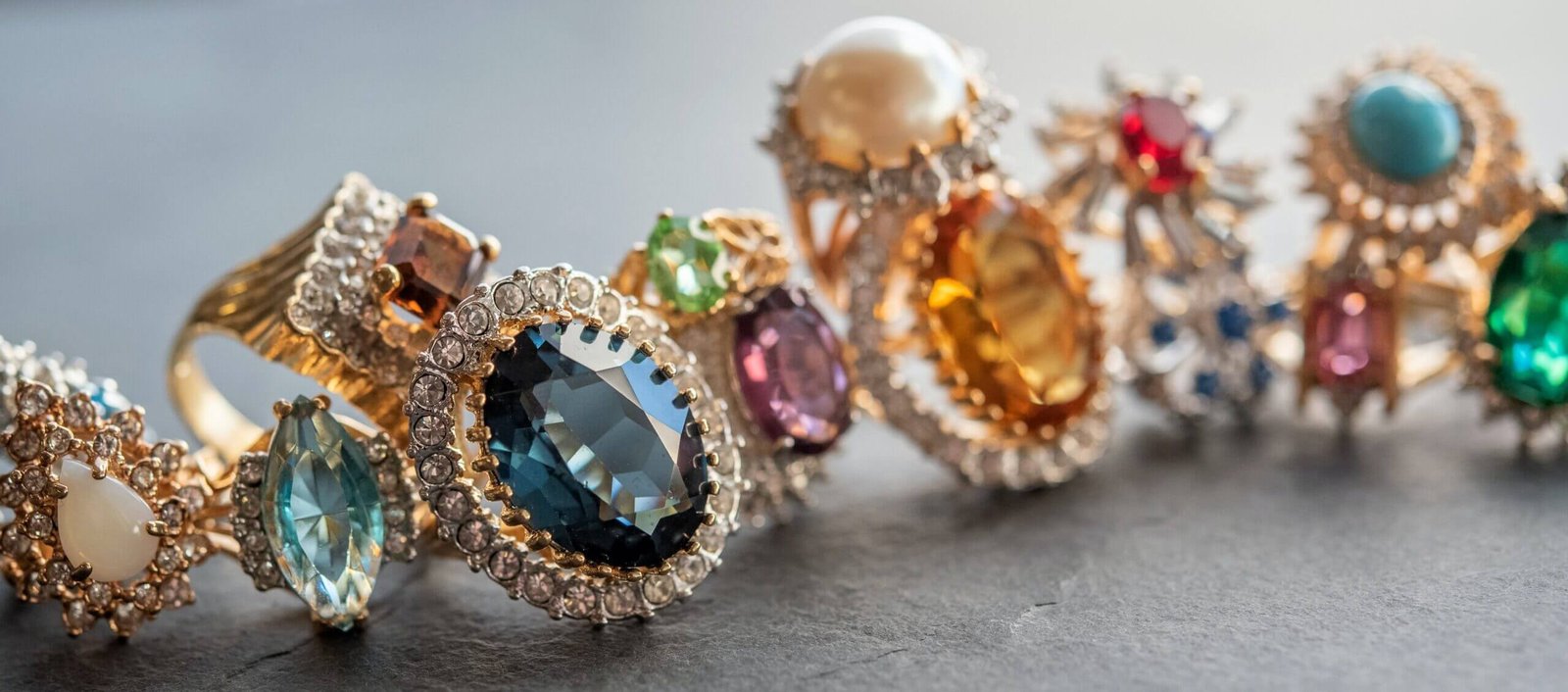
Have you ever caught yourself arranging watches on a table and felt a peculiar guilt that those circles of glass and metal are keeping more time than you?
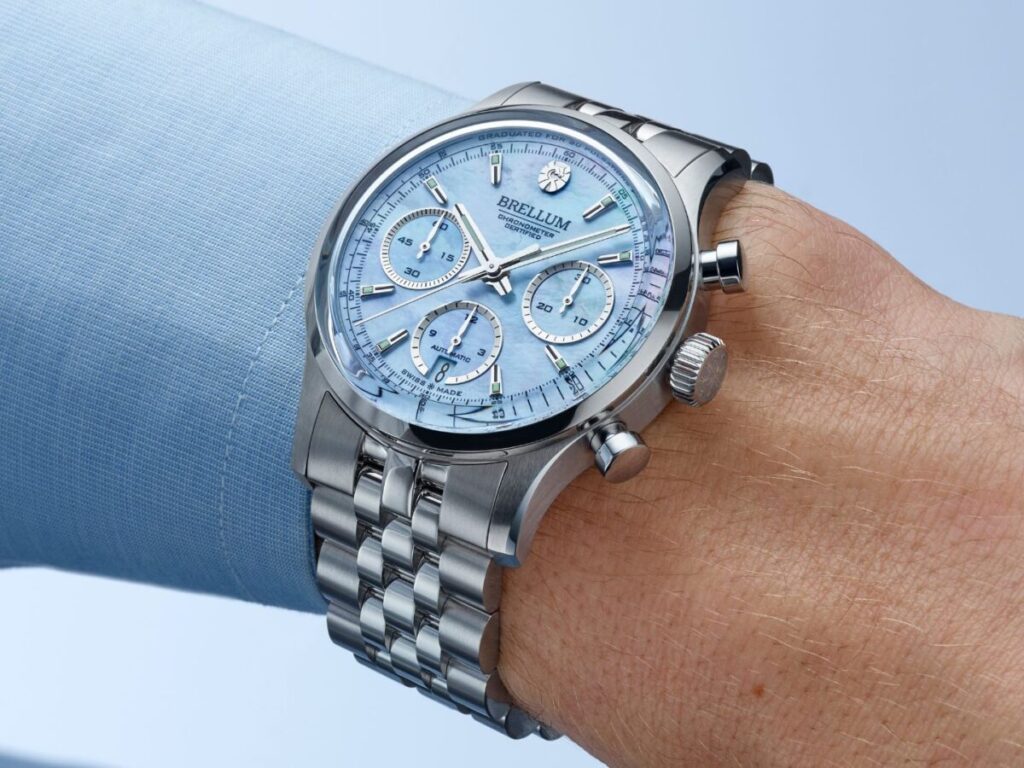
The awkward charm of hoarding time
You collect watches because they are excuses to tell stories about yourself without saying anything at all. A watch on your wrist is an argument: for taste, for thrift, for impulse control. You will tell people it’s an heirloom you rescued from a late uncle, and if they ask questions you will let the myth sit on the table like an unclaimed casserole dish.
You hoard time because a watch is a tiny theater: gears perform, hands move, and every tick reaffirms that life continues, which feels comforting when your calendar looks like a ransom note. The habit is equal parts devotion to craft and an attempt to tame an enemy you know is inevitable.
What WatchPro tells you about your habit
You read WatchPro because it feeds the compulsion in a civilized voice. It’s a UK-based, globally minded trade and consumer site that covers brands, retailers, auctions and industry trends. Every headline acts like an invitation: a boutique opens, a new limited edition drops, a celebrity ambassador signs on — and you think, perhaps, this is the watch that will complete your collection.
Read a few of its bulletins and you’ll see the ecosystem: boutique openings, product launches, auction highlights, industry analysis and human stories. Recent headlines and features show you the market’s pulse — Gerald Charles opening a Japan boutique, Hublot naming Jung Kook as a global ambassador, a staggering £1.7bn figure cited for the annual value of luxury watch theft. The site mixes craftsmanship with commerce, and you absorb both like someone who eats at the corner deli and stays for the gossip.
| Section on WatchPro | What it gives you | How it feeds hoarding |
|---|---|---|
| Brands | News on releases and collaborations | Fresh targets for acquisition |
| New Watches | Launch reviews & specs | Reasons to justify purchases |
| Retailers | Boutique openings & partner stores | Local places to inspect and buy |
| Auctions | Lots and sale results | Opportunity for rare finds and investment |
| Industry News | Market analysis, theft reports | Context for value and risk |
| Features & Columns | Long-form glimpses into workshops | Emotional reasons to collect |
Why watches are the perfect objects to hoard
You will rarely find a collectible that combines utility, prestige and storytelling as well as a wristwatch. It’s both tool and talisman: it tells you the time and tells others who you’re trying to be.
Mechanicals are especially seductive. A mechanical movement is a tiny ecosystem of springs and screws, and owning one makes you feel like a landlord of far-off micro-citizens. You wind it like feeding a small animal, and the animal rewards you with the confidence that everything is still functional.
There’s also scarcity. Limited editions, boutique-only releases and auction rarities create the illusion of scarcity that you can convert into personal distinction. You tell yourself you’re not hoarding; you’re curating.

The economics of hoarding time
You might privately call it passion, but the market calls it asset allocation. Luxury watches have behaved sometimes like art and sometimes like wine: some pieces appreciate, most do not. WatchPro’s reporting highlights both the glamour (special editions, boutique launches) and the risk (theft statistics, fluctuating demand).
A few market forces you should understand:
- Brand narrative: Rolex, Patek Philippe and Audemars Piguet control desirability by story and distribution.
- Scarcity and waitlists: limited production amplifies resale value.
- Auctions: rare military pieces and iconic references fetch premium prices; Bonhams and others curate these drama-filled sales.
- Theft and recovery: the site has reported staggering totals for theft, reminding you that visible high-value objects invite attention.
- Secondary market: platforms and grey-market dealers affect pricing and provenance.
Table: Market Signals and What They Mean to You
| Signal | What it looks like on WatchPro | What it means for your collection |
|---|---|---|
| Boutique openings (e.g., Gerald Charles in Japan) | Local retail expansion coverage | Easier access, but also more temptation |
| Celebrity ambassador deals (e.g., Jung Kook & Hublot) | Brand visibility pieces | Short-term hype may spike demand |
| Auction highlights (e.g., rare military Rolex) | High-profile sale coverage | Opportunity for rarity — and for overpaying |
| Theft reports (£1.7bn cited) | Industry-wide security alarms | You need insurance and discretion |
| New product releases (Nomos, Bell & Ross, Bremont) | Reviews and technical specs | New designs to covet; sometimes good value |
Beginning your collection without looking like a visitor at an estate sale
If you want to hoard time with some dignity, you will need a plan that contains both passion and basic logistics.
Start simply:
- Decide your axis: vintage vs. contemporary, tool vs. dress, brand loyalty vs. eclecticism.
- Budget realistically: set an acquisition allowance and keep it separate from rent.
- Learn basic authentication: case numbers, movement types, serial checks and service history.
- Inspect before purchase: if you can’t physically see it, buy from vetted sellers and insist on returns.
- Account for ongoing costs: servicing every 3–7 years for mechanicals, insurance, storage.
Starter checklist (short table)
| Item | Why it matters |
|---|---|
| Budget | Keeps acquisition from becoming crisis |
| Provenance paperwork | Protects against counterfeit & fraud |
| Service history | Indicates condition & potential future costs |
| Insurance | Covers theft, loss and disaster |
| Secure storage | Reduces risk and preserves condition |
How you store and maintain your hoard
You will learn to love boxes. They are small shrines where your circles of glass sleep. A few practical items:
- Winders: beneficial if you own many automatics and hate resetting them; use sparingly to avoid overuse.
- Humidity control: leather straps perish, movements can rust if exposed to damp.
- Service calendar: put reminders on your phone for servicing dates — what you ignore will cost more to fix later.
- Rotation plan: wear the pieces you love. Watches are meant to be used; they age better under your attention than under a velvet pillow.
Sample rotation schedule:
- Monday–Friday: daily beater or work piece.
- Saturday: an automatic you enjoy but don’t fear.
- Sunday: the sentimental or single-piece that makes you feel like a person in an art-house film.
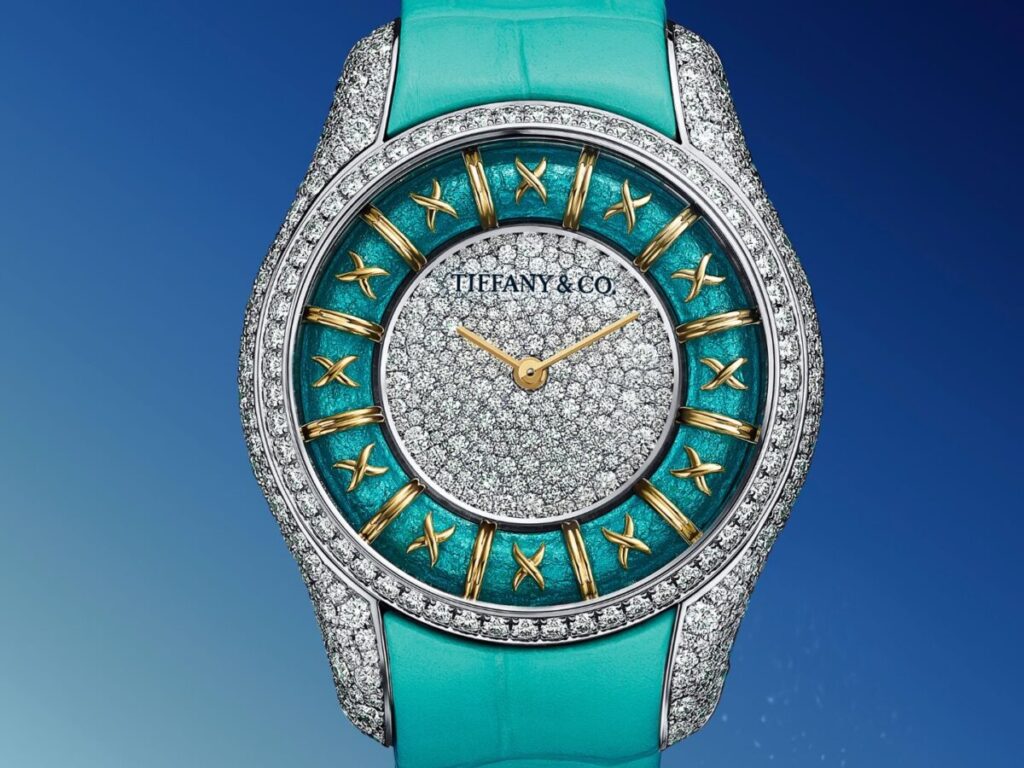
Tools of the hoarder’s trade
You will accumulate tools that make you appear more like a conservator than a collector. These tools include:
- Loupe (10x) for inspecting dials and hands.
- Soft-bristle brushes for dusting.
- Watchmaker’s screwdrivers for strap changes.
- Travel pouches for safe transit.
- A spreadsheet or app to catalogue serials, service dates and provenance photos.
A simple catalogue layout you can reproduce:
| Field | Example |
|---|---|
| Brand | Omega |
| Model/Ref | Speedmaster Professional 311.30.42.30.01.005 |
| Year | 1998 |
| Movement | Calibre 1861 |
| Serial | 12345XXXXX |
| Purchase price | £2,400 |
| Service notes | Full service 2021 |
| Storage location | Safe deposit box 12A |
The newsroom effect: how WatchPro and similar outlets encourage accumulation
You will notice that reading industry news can feel like dieting in a bakery. WatchPro’s steady stream of launches, boutique stories, auction thrills and insightful columns like “Corder’s Column” trains you to compare and to covet. That’s not a defect; it’s the site’s value proposition. You learn trends and you learn provenance — and then you want the objects that embody them.
Use this content responsibly:
- Treat news as research rather than a constant purchasing trigger.
- Filter alerts by topics that actually fit your axis (e.g., vintage vs. modern).
- Track long-form features for brand history rather than short-term hype.
The social awkwardness of hoarding time
Someone will always call you out for having too many watches or for showing off. You will find yourself in conversations where a watch is a status signal and a trap. Socially, hoarding can create awkwardness when:
- You correct someone’s pronunciation of a brand during a casual chat.
- You bring a watch to a party and then watch eyes glaze.
- You use watch comparisons as icebreakers, which rarely works unless the other person collects spoons in secret.
Handle the social stuff with charm:
- When someone admires a piece, let the story be a gift, not a sermon.
- Avoid making price the first thing you say. People don’t bond over pounds and pence.
- Remember: the story behind a watch is rarely as valuable as the story of why you wear it.

Theft, ethics and the gray market
You will encounter ethical questions about sourcing. The market has bad actors, and industry reporting makes that clear. Thieves, shady dealers, and dishonest practices exist alongside reputable boutiques and auction houses.
Practical ethics checklist:
- Question deals that are “too good to be true.”
- Prefer retailers and auction houses with clear provenance policies.
- Be cautious with gray market sellers who skirt authorized channels — warranties and authenticity can be murky.
- Insure high-value pieces and be discreet about public displays.
WatchPro’s coverage of theft (the £1.7bn figure) is a sober reminder: your collection is not just a personal archive; it’s a target.
When collecting becomes accumulation: signs and remedies
You will have a moment when the pile of watches begins to look less like an anthology and more like a liability. Warning signs include:
- You buy to chase headlines rather than personal taste.
- You feel anxious when any single watch is missing.
- You can’t afford maintenance because of acquisition pace.
- Your living space resembles a small, tasteful pawn shop.
Remedies:
- Cull like a curator. Sell or trade pieces that no longer fit your axis.
- Implement a “one-in, one-out” rule for a while.
- Revisit reasons for purchases. If you bought it because it was limited, ask whether you care about it now.
- Lease instead of buy for occasional wants — some services let you wear high-end pieces temporarily.
Selling and downsizing: practical routes
You will have to sell eventually, or you might decide to be more selective. Options include:
- Auction houses for rare or highly desirable pieces — good for visibility but fees apply.
- Specialist dealers for quicker sales — potentially less return but faster liquidity.
- Private sales — you need good documentation and caution.
- Trade-in at boutiques — convenient, can be lower in monetary return but simplifies transactions.
A table summarizing selling options:
| Route | Pros | Cons |
|---|---|---|
| Auction House | High visibility, potential for record prices | Fees, seller’s commission, uncertain timing |
| Specialist Dealer | Speed, expertise | Possible lower sale price |
| Private Sale | Control over buyer and price | Time-intensive, risk of fraud |
| Trade-in | Convenience, immediate credit | Lower payout versus market resale |

The story economy: why narrative matters more than numbers
You will discover that watches are valuable partially because of the stories they can carry. Brand heritage, provenance, the fact it was once owned by a relative — these narratives inflate personal value in ways a spreadsheet cannot capture.
WatchPro, by publishing human-focused columns and features, amplifies the narrative dimension. A reported visit to a manufacture or an in-depth profile of a founder makes you feel like you own part of an origin myth when you buy that brand’s watch.
Your role: curate stories honestly. When you sell, include paperwork and the story that the buyer will retell. Good provenance increases price and reduces buyer anxiety.
Technical lessons you should know
You will be expected to parse a few technical terms. Here’s a short glossary that will help you read spec sheets without nodding politely like someone listening to plumbing instructions.
- Calibre: the movement inside the watch; think of it as the engine.
- COSC: Swiss chronometer testing — a certification of accuracy.
- Complication: any function beyond hours, minutes and seconds (e.g., calendar, moonphase).
- Bezel: the rim surrounding the crystal; can be decorative or functional (dive bezel).
- Lug width: the distance between the lugs where the strap attaches; important for replacements.
These terms will show up in WatchPro headlines and reviews; knowing them lets you judge a watch on substance rather than marketing copy.
Practical budgeting for the habit
You will spend differently once you accept you’re a collector. Practical budgeting helps keep affection from becoming a problem.
Monthly/annual budget model:
- Acquisition fund: a target amount set aside each month.
- Maintenance & insurance fund: roughly 1–3% of collection value annually.
- Research & travel fund: for visiting boutiques, auctions, and workshops.
- Emergency fund: liquid cash you don’t touch for a year, because life happens.
Keep a spreadsheet. You don’t have to be a mathematician; you just have to be honest with yourself.
The joy of wearing versus preserving
You will face the paradox: watches are built to be worn, but value often rises when they are pristine. The choice is yours. Do you want a static archive or a rotating wardrobe?
Some collectors prefer one piece for daily wear and rotate the rest. Others wear everything. Either is valid; the healthiest approach is intentionality. Choose a few watches for daily life and let the others be special.
Community and conversation without pretension
You will find communities online where people flash photos of immaculate dials and argue about lume color. Forums, local watch clubs and social feeds can be useful for learning, but they can also be echo chambers for status signaling.
Use community for:
- Technical advice on servicing.
- Sourcing and prices.
- Social connection around shared taste.
Avoid communities that revolve solely around price flexing. If conversation leaves you feeling like you need a ledger of bragging rights, step back.
Repair, servicing and finding the right watchmaker
You will eventually need a watchmaker. Finding one is like finding a dentist: the right one saves you pain and the wrong one costs you a fortune.
Tips to find a watchmaker:
- Look for authorized service centers for modern brand watches — warranties matter.
- For vintage pieces, seek reputable independent watchmakers with references.
- Ask for estimates in writing. Complex repairs can exceed the watch’s value.
- Keep service records; they increase resale value.
The aesthetics of time: design cues to appreciate
You will notice details that others miss: the curvature of a lug, a unique hand shape, a dial’s texture. These are where the aesthetic value lies.
Design details to study:
- Dial finishing (sunburst, matte, enamel).
- Hand styles (syringe, dauphine, cathedral).
- Case finishing (polished vs. brushed).
- Strap material and construction.
- Crystal type (hesalite, sapphire, mineral).
Enjoy these quiet pleasures. They will make you less susceptible to the roar of limited-edition marketing.
How to use WatchPro and similar outlets productively
You will get more from industry coverage if you treat it like a research tool rather than a shopping channel.
Use the site to:
- Track release calendars for brands you love.
- Read auction analyses before bidding.
- Follow retailer and boutique openings for local access.
- Subscribe to newsletters for curated content, but set rules: one purchase per quarter, for example.
When time hoarding becomes legacy building
You will sometimes buy with an eye toward legacy: watches to pass to children or friends. If that’s your intention, document everything. Include photos, letters, and care instructions. An heirloom is less impressive if it arrives without context: a polished object with no story is simply polished metal.
A last word about taste and restraint
You will inevitably oscillate between restraint and excess. Taste grows with time and often through regret. The pieces you thought essential in your twenties may feel theatrical in your forties. That’s the charm: your collection is a mirror, and it changes as you do.
If there’s one real lesson industry coverage and all the glossy launches can’t teach, it is this: owning a watch should make your day marginally better. If it’s just a ledger entry, convert it into cash, experience, or someone else’s story.
Resources and next steps
You might use the following to be smart about your hoarding:
| Resource | Purpose | Notes |
|---|---|---|
| WatchPro | Industry news, launches, auctions | Subscribe selectively |
| Auction houses (Bonhams, Sotheby’s) | Rare watches & market prices | Check seller fees |
| Authorized retailers | Authenticity & warranty | Higher price, greater security |
| Independent watchmakers | Servicing & restoration | Ask for references |
| Secondary marketplaces (Chrono24, eBay) | Buying & selling | Scrutinize provenance |
You will make mistakes. You will overpay. You will also find that one watch feels like home and that a small wrist companion can smooth a terrible morning. It is a modest magic: you don’t actually add hours to a day, but you add ceremony to it. In the end, your collection is not about hoarding time in a selfish vault; it’s about gathering objects that help you be present in the moments you already have.
If the thought of paring down feels like grief, start small: pick one watch you love and one you tolerate. Wear the one you love more. Let the rest earn their keep.


