
Have you ever bought something specifically to convince yourself — and everyone else — that you had finally left adolescence behind?
Hodinkee and the Watch I Bought to Prove I Was Not a Child
You decide, at some point, that the easiest way to stop being treated like a child is to acquire the artifacts of adulthood. You tell yourself it won’t be ridiculous; you will be subtle, reasonable, measured — and then you buy a watch from Hodinkee that costs more than several months of your rent.
Introduction
You tell this story because people like closure and jewelry, often in that order. The watch becomes a punctuation mark in your life, a little metallic period that says, “This is who I am now,” even if your life remains, in all other ways, notoriously unfinished.
You are not the first person to consult Hodinkee when thinking about watches, and you won’t be the last. Hodinkee functions like aesthetic therapy with a shopping cart attached: it comforts, informs, and occasionally urges you to press “Buy Now.”
Why this story matters to you
You want the watch to be more than an ornament; you want it to be a credential. The purchase was about signaling competence and taste — and yet you also wanted, secretly, a toy to wind at night.
You will recognize the peculiar mix of vanity and sincerity in your own motives as you read on. That recognition is both consoling and dangerous; it makes your choices intelligible but also open to mockery.
The Scene: Hodinkee as the High Church of Watches
When you start paying attention to watches, Hodinkee feels like arriving at the cathedral of horology. There are long-form essays, high-production videos, and a shop curated so carefully that you find yourself nodding in agreement with product descriptions as if they were sermon notes.
Hodinkee offers more than commerce; it offers a language and a hierarchy. You do not simply buy a watch from its shop — you purchase an identity, a membership card to a community that pronounces what is “correct” and what is “aspirational.”
What Hodinkee signals
To strap on a Hodinkee-sold watch is to say, in the quietest fashion possible, that you read the right websites and listened to the right podcasts. That signal works on other watch people but also on your dentist and your aunt, who will ask if it was “an inheritance.”
Beyond status, Hodinkee signals curation, taste, and a certain willingness to pay for narrative. You like the stories almost as much as the mechanics: the way an article pairs a wrist shot with a historical aside about a movement’s origins.
How you read Hodinkee
You read it not just for information but for approval. The headlines and videos form a steady drumbeat: certain watches are worthy; others are jokes. This makes you anxious in the store, because you now have opinionated interlocutors in your head.
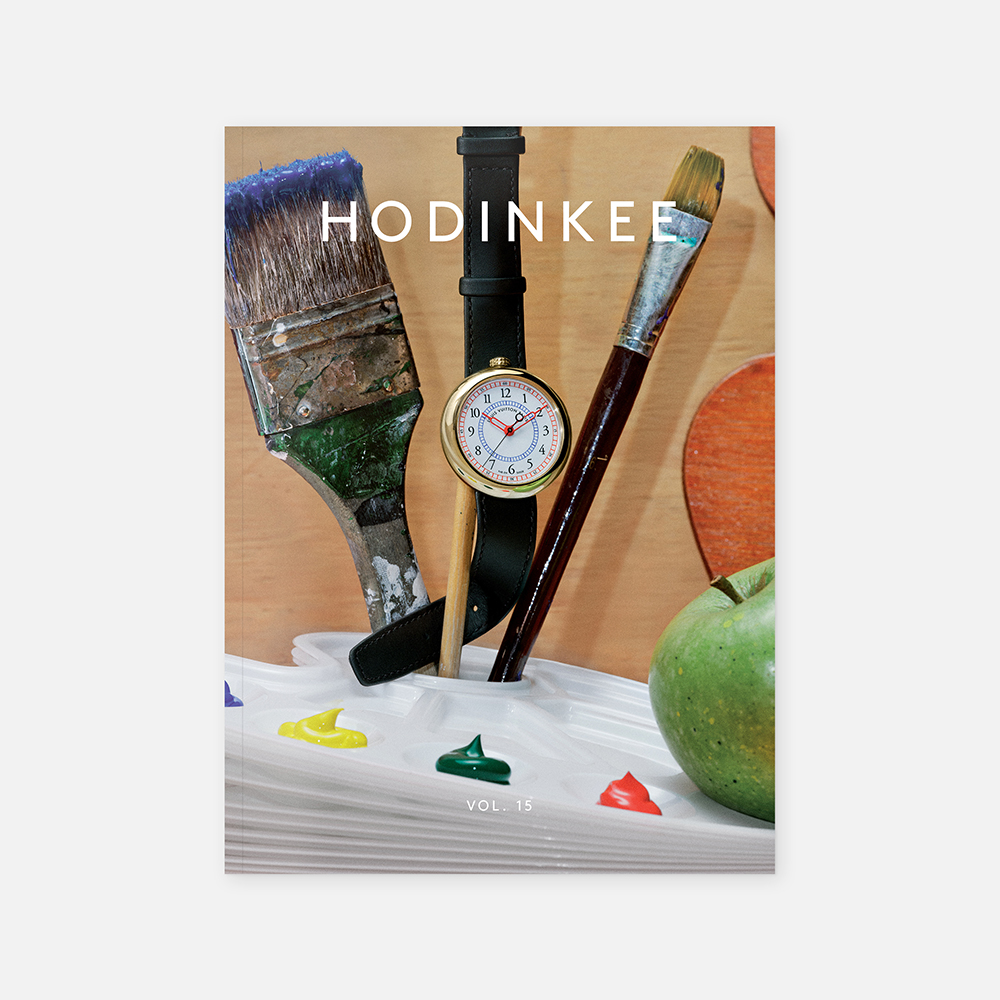
You also read it because it trains you to appreciate small exquisite things, and because it contains stellar photographs, which make watches look like they were born wearing suits.
The Purchase Decision: When You Become Determined to Prove You’re Not a Child
You decide to buy a watch after a sequence of minor humiliations: someone calling you “kid” at a meeting, losing a jacket you’ve had since 2006, watching a colleague be taken seriously while you’re asked to fetch coffee. The watch becomes a talisman against all of that.
You rationalize it as an investment in professionalism. You tell yourself that people will notice the watch and treat you differently, that confidence will follow from the metal around your wrist.
The Checklist You Used
You make a practical checklist because that is how adults proceed. Each line item is meant to translate feeling into data so you can present a defensible reason for spending a sum that might otherwise buy you useful things, like a slow cooker or a reliable umbrella.
- Brand reputation: You want a name that registers in conversation.
- Movement: Mechanical feels more earnest than quartz.
- Case size: Comfortable, proportionate, not screaming.
- Versatility: Wears with jeans and something nicer.
- Resale value: Because adulthood requires contingency plans.
- Emotional pull: The tiny irrational reason you can’t shake.
| Criterion | Why It Mattered | How You Rated It (1–5) |
|---|---|---|
| Brand reputation | Signals taste and knowledge to others | 5 |
| Movement | Mechanical = ritual + craftsmanship | 4 |
| Case size | Must not overwhelm your wrist; must be discreetly confident | 4 |
| Versatility | One watch to rule laundry-day and meetings | 5 |
| Resale value | Safety net for adult decisions | 3 |
| Emotional pull | That inexplicable “I must have it” factor | 5 |
The Watch You Bought
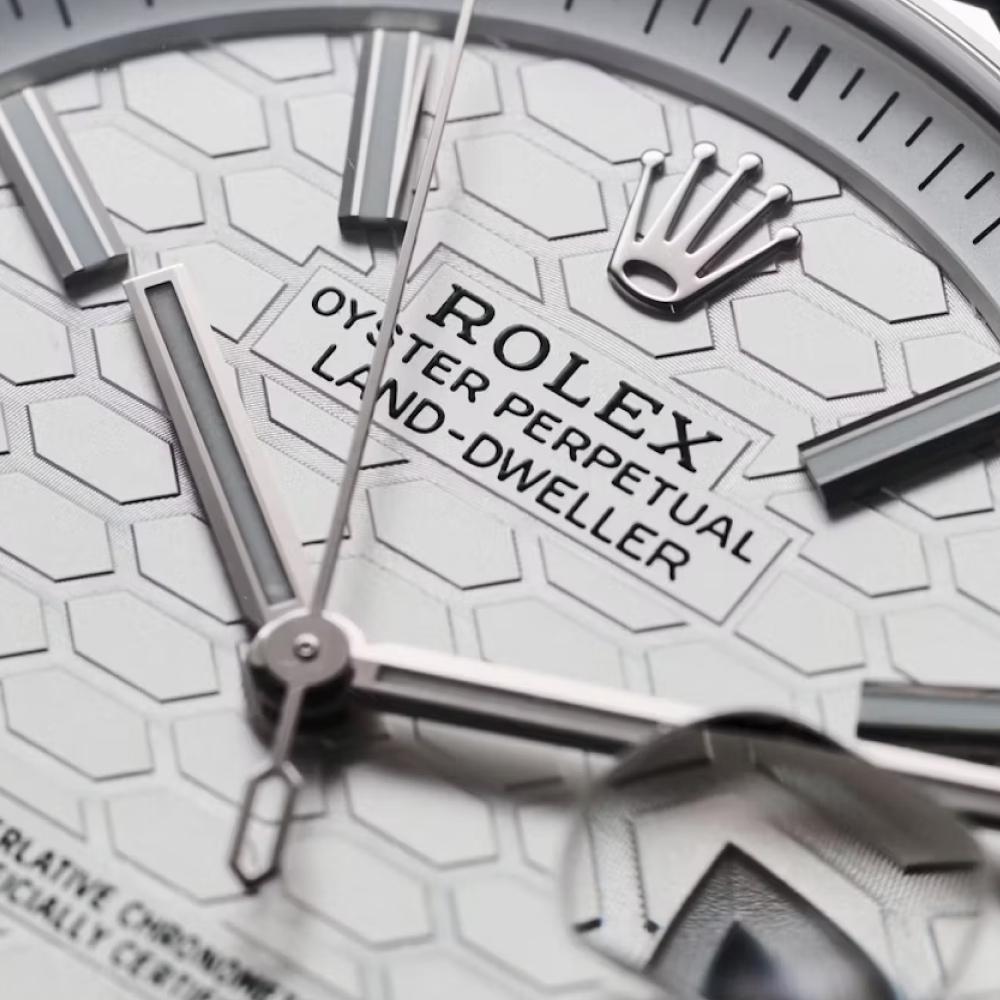
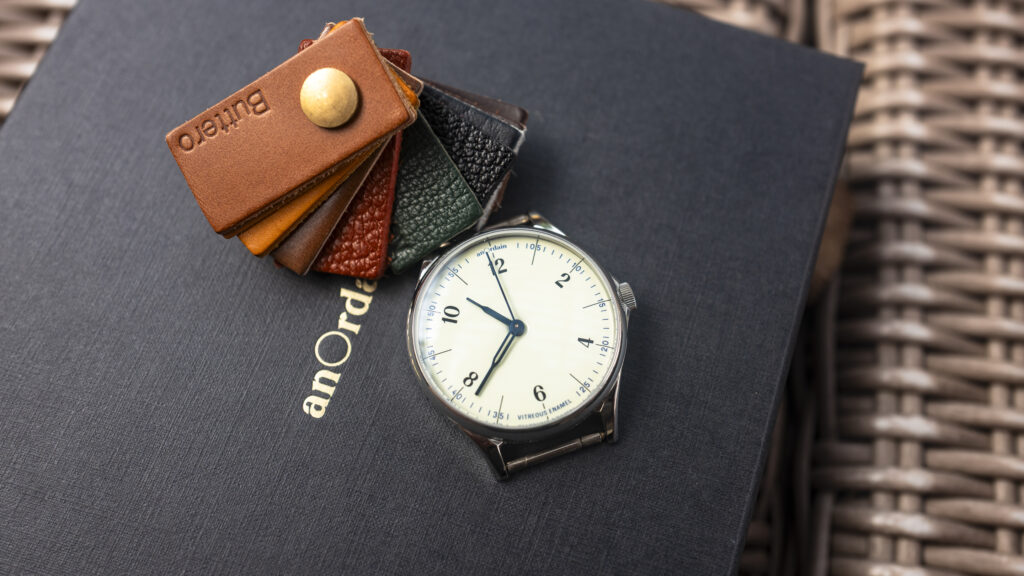
You buy a stainless-steel three-hander from the Hodinkee Shop. It’s polished in places and brushed in others, with a clean dial that seems, from photos, to contain the meaning of life in its applied markers. The crown winds smoothly, like a small, obedient animal.
You tell yourself that you chose wisely — classic enough to be timeless, unusual enough to be interesting. In quieter moments, you wonder if you were seduced by the photography and the way the watch was written about as if it had a soul.
First Impressions
When it arrives, you hold the box like a person who has just been handed a criminal record. The packaging has weight: a little ritual, a promise of ceremony every time you open it. You place the watch on your wrist and, almost immediately, you straighten your posture.
The metal catches light and makes your hand look purposeful. There is an immediate internal vote of confidence that hasn’t necessarily affected your competence at work, but makes you feel as if competence is a more plausible future self.
Wearing It in Public
At first, you are hyper-aware of your wrist. When you shake hands, you feel the watch against your palm like a secret ally. You catch people glancing; some look impressed, some inquisitive, and your mirror shows a stranger who seems slightly less boyish.
You notice that people who didn’t speak to you before now ask for opinions about brands and straps, offering away opinions loudly and uninvited. In this way your watch becomes conversational currency, a small golden coin you spend for a moment of adult attention.
The Rituals You Develop
You develop rituals because owning a mechanical object awakens ancient urges. You wind it at night like a benediction, you check the time for the joy of seeing the second hand sweep, and you take photos of it in odd light.
Each ritual feels like a proof that you are invested. You are not merely wearing something; you are participating in a practice that confers legitimacy.
How the watch changed your routines
You find yourself planning outfits around the watch; it dictates your sleeve length and, occasionally, your evening plans. Coffee breaks become opportunities for “checking time,” a behavior you pretend is practical but which is really just admiring the way the watch throws light.
You also begin scheduling maintenance in ways you never scheduled dental appointments: you google authorized service centers, read about oiling intervals, and fret about water resistance like a parent worrying about a toddler near a bathtub.
The Economics: How Much You Spent and How Much You Justified
You add everything up as if accounting will reduce guilt. Hodinkee’s prices include curation, narrative, and the comfort of a snappy return policy. You justify the purchase with tax talk: “it’s an investment in [your] personal brand.”
Economics hides under every explanation. You know the watch will not dramatically change your net worth, but you also know that it will make some evenings feel carefully attended to in a way no other single object can.
| Item | Cost (approx.) | Why You Paid It |
|---|---|---|
| Watch purchase price | $3,500 | Primary expense; craftsmanship + brand |
| Strap replacement | $120 | Personalization and daily comfort |
| Insurance (annual) | $150 | Peace of mind against theft/loss |
| Service (every 5–7 yrs) | $600 | Long-term upkeep, preserves resale value |
| Misc. (taxes/shipping) | $300 | Transactional overhead |
| Total initial outlay | $4,670 | The price of an identity upgrade |
You reassure yourself by comparing the total to other signifiers of adulthood: nicer coffee, better shoes, a therapist. Each carries its own value, but this one is portable and makes you look intentional.
How you justify it to others — and to yourself
You tell people it was “a considered purchase,” which is true; you considered it until your bank started emailing. When asked if it was impulsive, you nod slowly and say, “Not impulsive — purposeful,” and people nod back because they want to be polite.
To yourself, you say things like “this is a tool for punctuality” and “this will be something to leave behind,” and each justification feels like a small reassurance that you are, in fact, a grown-up.

The Identity Shift: Not a Child, But Maybe a Different Kind of Person
The watch does not turn you into a different human overnight, but it nudges you toward new behaviors. Friends begin to ask for your opinion on subtle matters; you find yourself advising someone about belts and necklines and, suddenly, you have become the kind of person who gives advice.
You are still clumsy at social niceties and still forget important dates, but you now carry a small oscillation of dignity on your wrist that makes forgetting less catastrophic in your own mind.
What people actually saw
Most people saw a well-chosen accessory and assumed you had better taste or a higher budget. To colleagues, the watch was a signal; to friends, it was an excuse to hold your hand while asking how much you spent.
Family members had a different reading: some were proud, some suspicious, and one aunt asked if it was “real gold” as if that were the only measure.
What you felt inside
Inside, you still feel the same vulnerabilities: the same impatient responses and the same urge to cancel plans. But the watch gives you a small province of control, a regular ritual that demands attention and returns calm.
You feel slightly dishonest in moments — as if you are wearing a costume — and then you remember that everyone wears costumes to varying degrees, and you accept yours.
The Community: Joining Hodinkee’s Audience
By choosing a watch from Hodinkee, you enter a community that is equal parts evangelical and opinionated. You read the comment threads and discover that owning a watch invites critique and camaraderie in equal measure.
You begin to participate: you leave a comment under an article, you follow a handful of collectors on social media, and you attend a watch meetup where people bring their most intimate accessories like little offerings.
Forums, columns, and the language of watches
You learn the jargon: “tropical patina,” “caliber,” “end-link gap.” Each new term gives you confidence, because language is a kind of armor. You use it at parties and sometimes deliberately mispronounce words because that feels like making a private joke with the past.
You also notice that the community is kinder than you expect — there is an odd warmth among people who share a taste for small exact things — but there’s also a thin competitive edge that keeps conversations lively.
Practical Advice: Should You Buy a Watch to Prove You’re Not a Child?
You should ask yourself honestly what you hope to get from the purchase. Is it a symbolic passing? A functional tool? An object to admire? Each answer leads to different choices.
If your aim is to change how others treat you, a watch will help in limited ways. Social capital is distributed unevenly; a watch may help you in certain circles but will not, for instance, make your boss stop micro-managing.
Questions to ask yourself
You should interrogate motives before you spend money like you’re buying adulthood in installments. Ask:
- Are you buying for yourself or for applause?
- Would a different purchase accomplish the same feeling?
- Can you afford not to feel guilty about it?
- Would you rather own one excellent thing or several good things?
Also, ask whether you have a plan for maintenance and insurance. Mechanical objects demand attention, which is part of their appeal and part of their cost.
Budgeting and timing
If you decide to buy, budget not only for the purchase but for the ongoing costs. Set aside funds for a strap change, routine service, and eventual insurance. Consider buying pre-owned as a way to get into the hobby with less financial strain.
Timing matters: there is no wrong time, but there are smarter times. Avoid major life upheavals; do not buy a watch immediately after quitting a job or a breakup. Delayed purchases feel more thoughtful.
| Option | Pros | Cons |
|---|---|---|
| New from Hodinkee Shop | Warranty, packaging, curated selection | Higher price, fewer negotiation options |
| Pre-owned | Lower cost, vintage charm | Potential service needs, authenticity checks |
| Affordable boutique | Good taste, less conspicuous | May lack prestige in certain circles |
| No purchase | Money for other priorities | Misses ritual and object-based joy |
Alternatives to Buying a Luxury Watch
You might find the same sense of being taken seriously through other purchases: a well-tailored jacket, a high-quality leather briefcase, or even a deliberate habit like consistently showing up on time. These alternatives can deliver similar results without the same level of expense or maintenance.
You can also borrow the feeling by renting or borrowing a watch for a week. Some services exist that let you rent watches and return them, which is perfect if you want a trial period before commitment.
Experiences that can substitute for ownership
Consider taking a class in a craft, joining a club, or investing in a good haircut. The rituals that build confidence are often behavioral rather than material, and sometimes the act of cultivating a consistent practice — anything that requires attention — can confer the dignity you seek.
You will find that habits often wear better than objects.
The Aftermath: Resale, Regret, Pride
Owning a watch means facing the eventuality of change. If your priorities shift, the watch can be sold, traded, or passed down. Resale values vary; some models hold value surprisingly well, while others do not.
Regret is a real possibility. You might give the watch away, or you might keep it and feel foolish. But you will rarely regret the experience of caring for something beautiful.
If you regret it
If you have buyer’s remorse, you can resell. The watch market is resilient, and Hodinkee’s marketplace has liquidity. Consider selling to a reputable dealer and be honest about condition; you may recoup a good portion of your investment.
If you regret the social motives behind the purchase, acknowledge it and be gentler with yourself. You were seeking a symbol. People do that. The antidote to regret is often transparency and a little time.
If you’re proud
If the watch becomes a beloved object, learn how to care for it properly. Keep it serviced on schedule, store it correctly, and consider tasteful insurance. Celebrate it as a marker of a phase of life rather than an immutable identity.
You will find that pride comes not from the price but from the attention you give the object and the ways it punctuates small rituals in your life.
Maintenance and Care: The Adult Work Behind the Aesthetic
Owning a mechanical watch is like tending to a small, indifferent pet. It requires oil changes, basic hygiene, and occasional professional attention. Embrace this as part of the pleasure; caring for the watch is a practice that reinforces your sense of responsibility.
You will be happier if you read the manual and follow the simple rules: keep it away from magnets, avoid shocks, and service it periodically. If you treat it like a project rather than a burden, you will get a lot of joy from it.
Service intervals and basic tips
You should plan to service a mechanical watch roughly every five to seven years. Water resistance should be checked if you wear it near water. Keep paperwork, warranties, and service receipts in a safe place — they matter for resale.
If you travel with the watch, use a padded case. If you wear it daily, swap straps periodically to manage sweat and wear. Small acts of care translate into years of faithful service.
Stories from the Wrist: Small Vignettes
You will encounter small, oddly sweet events because of the watch. A stranger in a café will ask about your strap; an old friend will ask weirdly detailed questions about the second hand; your partner will one day borrow it and treat it as if it has a conferred personality.
These vignettes accumulate into a narrative. The watch collects stories like a postcard box, and each story becomes a reason to keep the object in active rotation rather than boxed away.
An anecdote about a meetup
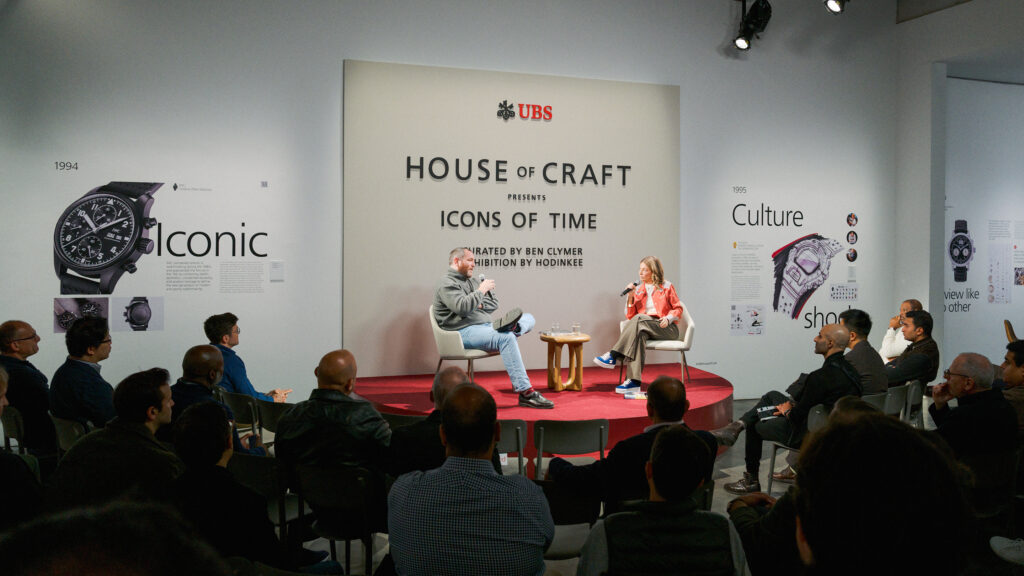
At a Hodinkee-curated event you attend, someone mistakes your watch for a rarer model. You flinch with a secret pride and correct them minimally, letting the moment sit between you like a polite lie. Later, you enjoy the fiction as much as the truth.
These tiny performances are part of the charm. You are not hiding; you are allowing the object to speak for you in moments when you prefer your speech to be less vulnerable.
Concluding Thoughts
You will buy things to be seen as an adult; sometimes those things will be a watch. If you choose to make that purchase, do it from curiosity and desire as much as from a longing to shed boyhood. The watch will not make you perfect, but it will make small rituals possible and will offer you a steadiness in the palm of your hand.
Accept the truth that identities are accretive: they are built by many small choices, some symbolic and some practical. The watch is one of those choices and it deserves its place on your wrist. If you ever feel foolish, remember that everyone tries on adulthood in their own way — and you tried on a watch that keeps excellent time.
If you keep it, let it age with you. If you sell it, tell a better story and be honest about why you bought it in the first place. Either way, the purchase will have done its quiet work: it will have taught you something about taste, risk, and the soft architecture of maturity.


