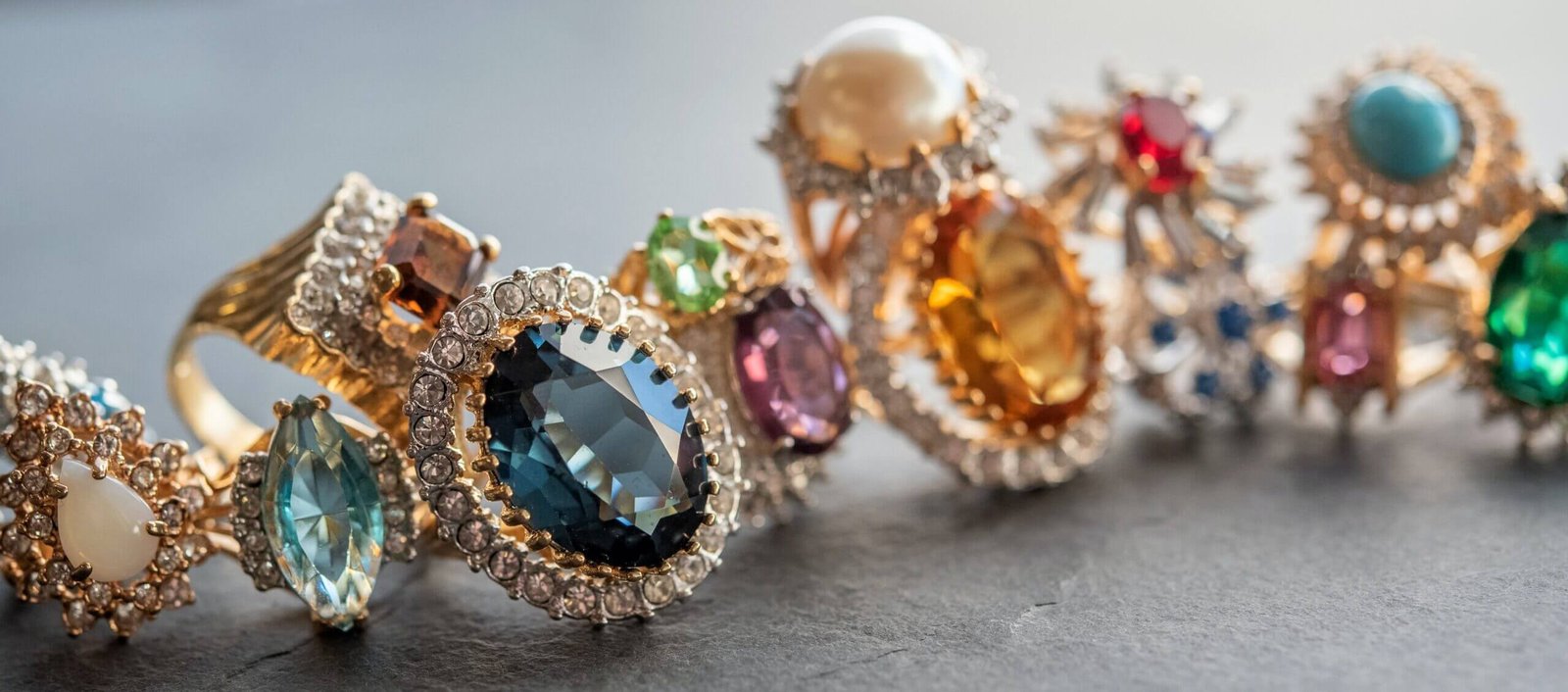
Have you ever found a small, striped stone at a market and wondered what kind of quiet magic it might bring into your life?


What Does Agate Manifest?
You might think of agate as a pretty surface—bands of color that look like someone painted rings on a pebble. You should also think of it as a material that has inspired farmers, sailors, jewelers, and handfuls of eccentric relatives who like to keep stones on kitchen windowsills.
A Brief, Slightly Personal Introduction
You will probably recognize agate the moment you see it: layered bands, sometimes translucent, sometimes opaque, like a geological fingerprint. If you are anything like me, you will have a story about an impromptu purchase, a well-meant but incorrect label (“mystic river rock”), and an eventual research binge that transforms you from casual admirer into an informed owner.
Formation and Geology
Understanding how agate forms will make it easier for you to appreciate what it manifests in your life. Agate is not a single moment of geological drama but rather a patient process—silica-rich fluids slowly fill cavities in volcanic rock and then crystallize into the microcrystalline quartz known as chalcedony, often showing those signature concentric bands.
You should picture tiny particles and slow, methodical deposition, rather than a single flash of creation. The banding you see is a record of changing conditions—minerals, temperature, or pressure shifts—so every agate is a compact history lesson you can hold.
Chemical Composition and Structure
Agate is composed primarily of silicon dioxide (SiO2) in the form of chalcedony, a microcrystalline quartz. You will find that the microcrystalline nature means it’s made of many tiny crystals, rather than a single large one, which gives agate its smooth luster and makes it easier to cut and polish for jewelry.
The banding is caused by rhythmic deposition of silica from solutions in cavities. You should imagine layers forming one after another, sometimes with trace minerals like iron, manganese, or chromium creating the different colors.
Physical Properties
You will want to know how hard and durable agate is if you plan to wear it, set it in rings, or keep it as a worry stone. Agate ranks about 6.5–7 on the Mohs hardness scale, so it holds up quite well against daily wear but still needs reasonable care.
It has a conchoidal fracture and a waxy to vitreous luster when polished. You should expect variation in translucency—some agates are nearly transparent in thin slices while others are completely opaque.
Types of Agate
Agate comes in many varieties, each with distinct visual and sometimes local properties. You will encounter names like banded agate, moss agate, fire agate, tree agate, and lace agate, and while the names can sound like a florist’s catalogue, they genuinely refer to different internal patterns and formation contexts.
Below is a table summarizing common varieties to help you recognize them quickly.
| Variety | Visual Traits | Common Sources | Typical Use in Jewelry |
|---|---|---|---|
| Banded Agate | Distinct concentric bands in multiple colors | Brazil, Uruguay, India | Cabochons, cameos, beads |
| Moss Agate | Dendritic or moss-like inclusions, often green/black | India, Uruguay, USA | Pendants, earthy rings |
| Fire Agate | Iridescent, opal-like flashes | Mexico, USA | Unique statement pieces |
| Lace Agate | Fine, delicate banding resembling lace | Botswana, Mexico | High-end cabochons |
| Tree Agate | White with dendritic, tree-like inclusions | India, Brazil | Carvings, beads |
| Crazy Lace Agate | Swirls and complex banding, very decorative | Mexico | Ornamental jewelry |
You should use this table as a quick reference, not a rigid taxonomy; nature often refuses tidy categories.
Color and Patterns: What They Manifest
Color is not just aesthetic; it is evidence of the environment in which the stone formed. You will notice that reds and browns often come from iron oxides, greens from chlorite or other minerals, and blacks from manganese oxides. Each color manifests a chapter of geologic history.
Patterns—bands, moss-like inclusions, or lace—can make agate feel like a landscape or a map. You should think of patterning as the stone’s personality, the thing that will influence how it behaves as jewelry and how it resonates with you on an emotional or symbolic level.
Metaphysical and Symbolic Manifestations
If you are curious about metaphysical properties, agate is frequently described as a stabilizing stone. Practitioners say it manifests grounding energy, emotional balance, and protection. You may be skeptical—which is healthy—or you may be someone who finds comfort in symbolic objects; in either case, agate’s aesthetic solidity lends itself well to ritual and reflection.
You will encounter claims that specific varieties manifest different qualities: moss agate is associated with growth and abundance, blue lace agate with communication and calm, and fire agate with passion and protection. Consider these associations as tools for intention-setting rather than as hard rules.
How Culture Shapes Meaning
Different cultures have attached their own narratives and uses to agate. You will read accounts from ancient Greek and Roman times mentioning agate carved into amulets and signet rings, through to more modern folk uses like placing agates in masonry for protection. These layers of meaning add a human history to the stone’s geological story.
You should note how symbolic uses meet personal practice; the meaning that agate manifests in your life will depend as much on your beliefs and experiences as on any traditional attributions.

Scientific vs. Spiritual Perspectives
You can hold both a scientific appreciation and a spiritual appreciation without contradiction. Geology explains formation, composition, and optical properties, while spiritual traditions attribute intention and effect. Both are legitimate ways to relate to the stone, depending on your needs.
You should ask whether you want your agate to be a talisman, a beautiful object, a scientific specimen, or all three. Responding honestly to that question will guide how you choose, wear, and care for your agate.
How to Use Agate for Manifestation
If you are inclined to use agate in manifestation work, you will want simple, repeatable practices that fit your life. You can carry a small tumbled agate in your pocket, place a slice on your desk, or wear a piece as jewelry to keep its qualities close to your body.
A few practical steps you might use: set a clear intention, choose an agate whose colors or patterns resonate with that intention, cleanse it if that matters to you, and make a small ritual of holding the stone while you recite or write your goal. You should be consistent—repetition helps build psychological association.
Simple Ritual Example
You will get more out of a small, meaningful ritual than a grand, infrequent one. Try this: hold the stone, breathe slowly five times, state your intention out loud or in a journal, and then place the stone somewhere visible.
If you prefer a more private method, you can write your intention on a piece of paper and slip it under a display agate. You should note that the most important part of manifestation is your intentionality—stones help anchor your focus.
Wearing Agate in Jewelry
You will find agate in rings, pendants, bracelets, beads, and even cufflinks. Because of its hardness and stability, it is excellent for daily-wear pieces, especially when polished into cabochons or beads. You should consider settings that protect the stone’s edges if the piece will get heavy use.
Color and pattern should guide your design choice: a bold, patterned agate can be a statement focal piece, while translucent slices lend themselves to delicate settings. You will also need to be mindful of any heat treatments or dyeing that might change the stone’s appearance—more on that below.
Practical Tips for Wearing
You should choose settings and metal types based on your lifestyle: bezel settings protect edges, prong settings show more of the stone. If you are active with your hands, consider pendants or brooches rather than rings.
Remember that agate is best when it can be seen and touched; its tactile qualities are part of why people gravitate to it as jewelry.
Caring for Your Agate
Caring for agate is straightforward but important if you want it to manifest longevity and consistent beauty. You can clean it with warm, soapy water and a soft brush; avoid ultrasonic cleaners if the stone has fractures or has been treated with dye. You should also avoid prolonged exposure to intense sunlight, which can fade dyed stones.
Store agate pieces separately to prevent scratching, and consider wrapping delicate slices in soft cloth. You should also be cautious with chemicals like bleach or household cleaners that might alter the stone’s surface or settings.
| Task | Recommended Method | What to Avoid |
|---|---|---|
| Daily cleaning | Warm water, mild soap, soft cloth | Ultrasonic for treated/damaged pieces |
| Storage | Soft pouch or lined box, separate compartments | Piled together with harder gems |
| Heat exposure | Avoid prolonged direct sun or hot car | High heat (may fracture or fade dyes) |
| Chemical exposure | Remove before cleaning or swimming | Bleach, acids, solvents |
You should view cleaning and storage as small acts of respect—your agate will reward you with years of pleasure.
Identifying Real vs Fake Agate
You will encounter both natural agates and imitations—glass, dyed chalcedony, and assembled pieces. Real agate has characteristic banding, a natural luster, and sometimes slight imperfections or tiny fractures that tell a geological story.
Dyeing is common for some cheaper agates; if a bright hue looks too intense or is present in cracks and pits, it may be dyed. You should test a suspicious piece by gently rubbing it with acetone on a cotton swab; dye will often smear, but be careful—this test can damage some finishes or settings.
Professional Testing and Appraisal
If the monetary or sentimental value is significant, you should get a professional gemological appraisal. Experts can use tools like microscopes, refractometers, and spectroscopy to determine origin, treatments, and authenticity. You will find the cost adds value by protecting you from costly mistakes in purchases.
Buying Guide and Value
You should set a budget and shop where knowledge is available—reputable dealers, certified gem fairs, or trusted online sellers with good return policies. Prices vary widely depending on rarity, color, pattern, craftsmanship, and size; a small tumbled agate is cheap, while a beautifully patterned lace agate cabochon set in precious metal can fetch a premium.
Keep in mind that aesthetic appeal often matters more than strict rarity for personal enjoyment. You should buy what resonates with you, but also ask questions about origin and treatment if you care about authenticity.
Negotiation and Certification
You will often be able to negotiate price, especially in in-person markets. For expensive pieces, request any available provenance or treatment certificates. You should keep receipts and documentation in case you decide to resell or insure the piece later.
Cutting, Polishing, and Setting Techniques
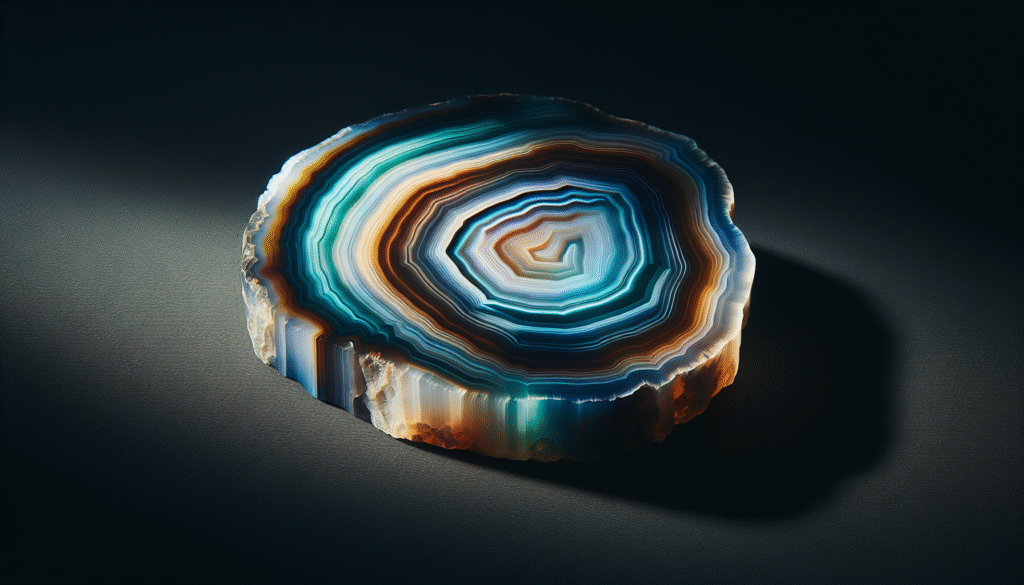
Agate is a favorite for lapidaries because it polishes to a high luster and reveals striking patterns. You will encounter a variety of cuts: cabochon (domed and smooth), slices (thin, translucent slabs), and beads. Each cutting style manifests different visual and tactile qualities.
Polishing requires patience and stages of increasingly fine abrasives; a well-polished agate shows depth and clarity in the bands. You should choose a cutter who understands how to orient the agate to show off its best features—an inexperienced cutter can waste the most beautiful parts.
Working with Slices
Slices can be used in inlays, backlit pendants, or windows in jewelry. You will need to consider how light interacts with the slice: translucent agate benefits from backlighting in display items. You should choose protective settings if the slice is thin, as thin slices can chip more easily.
Historical and Cultural Significance
Agate has been used for thousands of years, from carved intaglios in ancient Mesopotamia to protective amulets in medieval Europe. You will find agate in archaeological sites as beads, seals, and decorative items, indicating its long-standing appeal.
Throughout history, agate manifestly served both practical and symbolic purposes—seals for authentication, talismans for protection, and ornaments to show status. You should remember that those historical lives of agate contribute to the poignancy of the stones you handle today.
Chakra, Zodiac, and Emotional Effects
If you engage with chakra or zodiac frameworks, agates are often assigned particular correspondences: blue lace agate with the throat chakra for communication, moss agate with the heart chakra for growth and compassion. Zodiac attributions may vary, but agate is commonly linked to signs that value stability and grounding.
You should use these correspondences as options for intention setting rather than prescriptive rules. If a stone’s color or feel resonates with you for a specific intention, that resonance is the most useful guide.
Common Myths and Misconceptions
You will hear grand claims about agate curing ailments or ensuring financial windfalls—treat such claims with skepticism. While agate can help you focus and feel centered, it is not a substitute for medical or financial advice.
Another misconception is that only “natural” stones have power. You should know that human psychology assigns meaning, and a crafted or enhanced stone can have just as much personal significance if it helps you in daily practice.
Pairing Agate with Other Gems and Materials
Agate pairs well visually and energetically with metals like sterling silver, gold, and copper. You will find that silver often complements cool-toned agates, while warm-tone metals highlight reds and browns. Agate also pairs nicely with other stones such as jasper, quartz, and amethyst in mixed jewelry.
Consider the overall balance of your piece: a heavily patterned agate is best balanced with simpler accents, while a plain agate can be energized with more elaborate settings. You should think like a stylist: contrast and harmony will make the piece more wearable.
Table: Pairing Suggestions
| Agate Type | Metal Pairing | Gemstone Accents |
|---|---|---|
| Blue Lace Agate | Sterling silver | Aquamarine, moonstone |
| Moss Agate | Antique bronze/copper | Peridot, jasper |
| Fire Agate | Warm gold | Citrine, garnet |
| Lace/Banded Agate | Platinum or white gold | Diamonds (for sparkle) |
You should use these suggestions as starting points rather than strict rules; personal taste matters most.
Common Jewelry Uses and Design Ideas
Agate manifestly excels in statement pieces and everyday accessories. You will see it in cocktail rings, pendant slices, bead necklaces, and even inlaid in watches or furniture. Its banding gives designers a compositional element—lines, arches, and focal points that can be emphasized or hidden.
If you’re commissioning a piece, think about the stone’s orientation and whether you want symmetry or an organic, natural look. You should also discuss setting choices that protect the stone while allowing it to be admired.
Market Trends and Ethical Considerations
You will notice trends: Botswana lace agate has been fashionable in certain years, while fire agate experiences surges when unique iridescence becomes coveted. Market taste affects price and availability, so if you see a style you like, acting sooner rather than later can be wise.
Consider ethical sourcing: ask dealers about mine practices, worker conditions, and whether the stones were exported legally. You should favor sellers who can speak knowledgeably about provenance and who practice transparency.
Frequently Asked Questions
You will have practical questions, and answers can help you feel confident caring for and using agate.
Q: Can agate be worn every day? A: Yes, with care. You should avoid harsh chemicals and be mindful of knocks and drops.
Q: Are agates treated or dyed often? A: Yes, some agates are dyed to enhance color, especially in lower-quality specimens. You should ask sellers about treatments and test suspiciously bright colors cautiously.
Q: How do you charge or cleanse an agate? A: Methods vary: sunlight, moonlight, running water, or smudging are common practices. You should choose a method that fits your beliefs and doesn’t damage the stone—avoid prolonged direct sun for dyed agates.
Q: Is agate good for meditation? A: Many people find agate helpful in meditation because its patterns can aid focus. You should treat the stone as a visual or tactile anchor to help maintain attention.
Troubleshooting and Problem Solving
If your agate becomes chipped or loses luster, you will want to know whether repair is possible. Minor chips can sometimes be filled or recut by a skilled lapidary; dullness often responds to professional re-polishing.
If you suspect a dye or treatment has altered, and you want to remove it, proceed carefully: mechanical and chemical cleaning can harm the stone or its setting. You should consult a professional before attempting aggressive restoration.
Making Agate Personal
You will likely find that your most cherished pieces are not the most expensive ones but the agates that speak to you—maybe a striped slice that matches a childhood memory, or a moss agate that looks like a tiny preserved forest. Those personal connections are what make a stone manifest value beyond monetary worth.
You should consider documenting the story behind each piece—where you bought it, why it appealed to you, and any rituals or meanings you associate with it. Over time, those notes will be as precious as the stone itself.
Final Thoughts
Agate manifests many things: geological history, aesthetic pleasure, practical utility in jewelry, and potential symbolic meaning depending on your beliefs. You will find it versatile enough to be both a fashion statement and a calming presence in your pocket or on your desk.
If you are purchasing your first thoughtful piece, look for resonance—color, pattern, and feel—and balance that with practical considerations like treatment disclosures and setting protection. You should remember that the real power of agate lies in what it allows you to notice: patience, pattern, and the small comforts of tactile beauty.