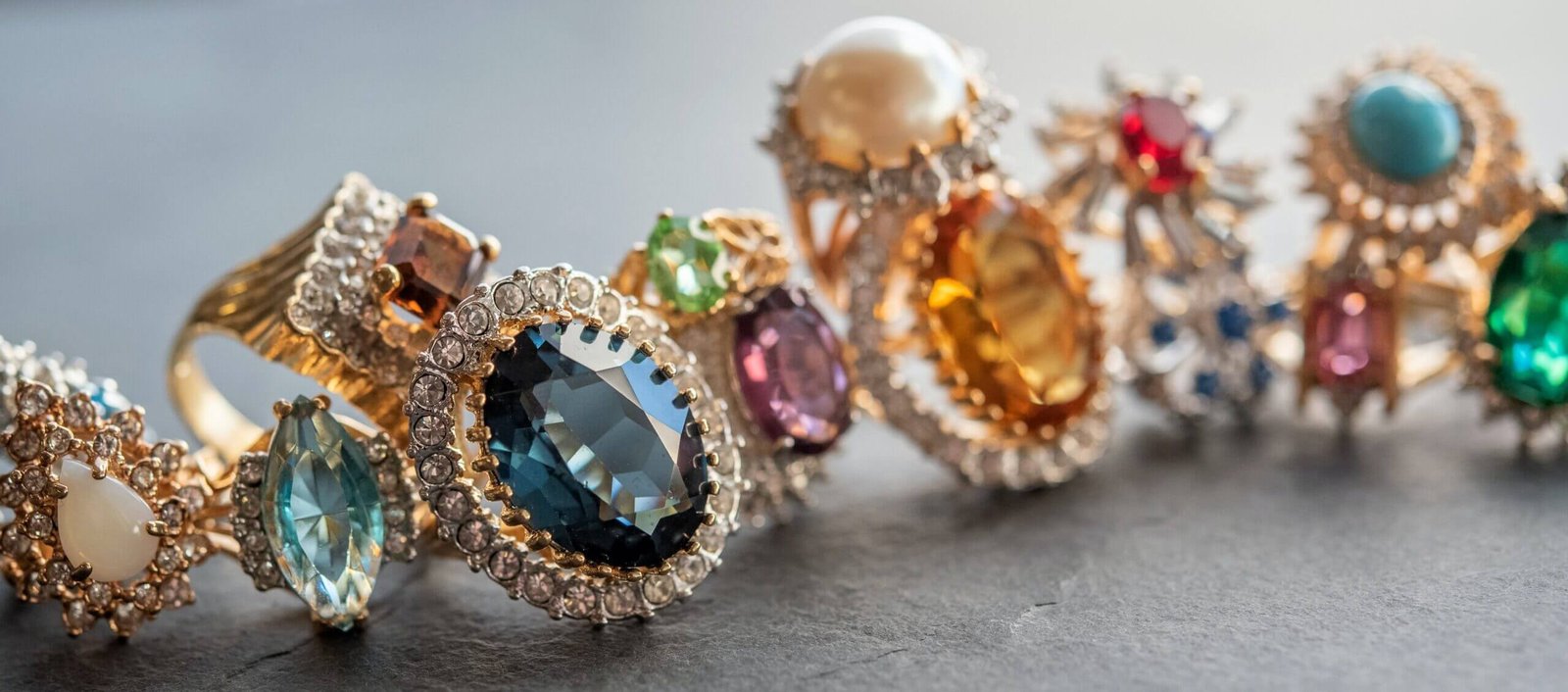
Have you ever held a stone so blue that it made you suspicious of your own memory, as if the ocean had quietly shifted and left a postcard in your palm?


What Does Aquamarine Mean Spiritually?
You will find that aquamarine has always worn its meaning on its sleeve — or rather, in its crystal lattice: a cool, seawater translucence that seems to offer calm the way a deep breath does after you’ve mistakenly replied-all to an office email. This article will walk you through spiritual meanings, historical associations, practical uses, and how to make aquamarine a meaningful part of your life without feeling obligated to chant at 3 a.m.
What is Aquamarine?
You should know that aquamarine is a variety of the mineral beryl, sharing a family with emerald, morganite, and heliodor. Chemically it’s a beryllium aluminum silicate, with traces of iron giving it that signature sea-glass color, the kind you might find in a thrift-store vase if you are allergic to thrift stores but still go there for reasons that are hard to explain.
You’ll also want to appreciate that aquamarine ranges from pale blue to deep teal. The color intensity affects its perceived energy in spiritual communities, and the deeper the blue, the more people will whisper about its “depth” while holding it up to the light as if auditioning for a nature documentary.
Spiritual Meanings and Symbolism
You’ll discover that aquamarine is associated with a handful of consistent spiritual themes: tranquility, clarity, communication, and courage. These are the kinds of attributes you want on a bad day — or when you must speak up for the waiter who brought you a salad disguised as a burger.
Spiritually, it’s often seen as the stone of the sea: calming, cleansing, and able to quiet emotional storms. If you imagine your emotions as a skittish terrarium of small, noisy animals, aquamarine is the window you open to let in sympathetic sunlight and a soft breeze.
Calm and Emotional Balance
You’ll notice many people cite aquamarine when they want a spiritual remedy for anxiety or emotional turbulence. It’s said to soothe emotions the way a good friend steadies you by saying, “You are fine,” even though the two of you both know it’s complicated.
Applied spiritually, aquamarine can be carried or worn to encourage patience and reduce irritability. You may find it helps you pause before you respond in anger, or at least helps you choose a sarcastic remark that’s only mildly wounding.
Clear Communication
You can think of aquamarine as the throat chakra’s favorite accessory. Spiritually, it’s linked to honest, clear, and compassionate expression. If you have avoided a necessary conversation because you feared you would sound like someone reading a legal brief under duress, aquamarine is the crystal many people turn to when they want to speak with more clarity and less dramatic stammering.
It’s often used by people practicing public speaking, teaching, or negotiations — situations that historically require you to appear as if you have rehearsed your calm.
Courage and Inner Strength
You will be told that sailors historically used aquamarine as a talisman of protection at sea, which translates into a contemporary spiritual meaning of courage in the face of emotional waters. Metaphysically, it’s not the badger of bravery; it’s more like a patient companion that whispers, “Maybe try it,” when you want to hide under your couch.
You might use aquamarine to bolster quiet courage: to set boundaries, to leave a job you love for a better one, or to tell your neighbor that their cat is not a decorative rug.
Historical and Cultural Associations
You should know that aquamarine’s spiritual reputation is not entirely modern. Romans prized it as a sailor’s stone and believed it would protect both against drowning and provide safe sea travel. Ancient lore often connects its color with water deities and the soothing attributes of the ocean.
In medieval Europe, people believed aquamarine could cure afflictions of the throat and the stomach, and some thought it could uncover true love. You may find these historical attributions charming or strange, depending on whether you think medieval medicine was more imaginative than accurate.
Aquamarine in Myth and Folklore
You’ll encounter tales from seafarers who left aquamarine amulets on altars and emailed in what were then very small scrolls to one another about its virtues. Folklore frequently ties it to mermaids and sea gods — symbolism that both romanticizes and practicalizes the stone, as if the sea’s temperament could be wrung out into a gemstone pendant.
There are stories that aquamarine could reconcile estranged lovers. Whether or not you consider this reliable, you may try it as a conversation starter at dinners that risk turning into arm-wrestling matches of stubbornness.
Aquamarine and Chakras
You will frequently read that aquamarine resonates strongly with the throat chakra (Vishuddha). This means people use it to support truthful expression and to heal blockages that prevent you from speaking your truth without coming off like a soap opera villain.
Because of its calming color, some also tie aquamarine to the heart chakra (Anahata) for soothing emotions and encouraging compassionate communication between hearts with differing opinions, such as when your sibling insists on saving every article about the apocalypse “just in case.”
Table: Chakra Correspondences
| Chakra | Color Association | Spiritual Benefit | How You Might Use It |
|---|---|---|---|
| Throat (Vishuddha) | Blue | Clear communication, truthful expression | Wear as a pendant when you must speak up |
| Heart (Anahata) | Pale blue/teal | Emotional calming, compassionate listening | Hold during difficult conversations |
| Third Eye (Ajna) occasional | Blue | Intuition, clarity of thought | Meditate with a small aquamarine near your brow |
You’ll see that aquamarine’s primary role is in calming and clarifying communication, while its secondary uses can gently enhance intuition and emotional balance.

Emotional and Psychological Healing
You are likely to be told that aquamarine helps release old emotional baggage. It’s not a magical vacuum for traumatic experiences, but many people find it aids in creating the mental space needed to process feelings. Think of it as an architectural renovation in your emotional house: it won’t demolish walls without consent, but it will hand you a gentle sledgehammer and a blueprint.
Spiritually, it encourages resilience by teaching you to face uncomfortable truths with steadiness, rather than avoiding them like an email from an ex. Many therapists and spiritual practitioners incorporate aquamarine into sessions for grounding and calming anxious clients.
Using Aquamarine in Therapy and Self-Work
You might place aquamarine on a desk during journaling or therapy to help keep emotions steady. You can also hold a tumble stone when you practice breathing exercises to give your hands something to do besides curling into tiny fists.
People who work with children or in caregiving roles sometimes keep aquamarine nearby to maintain patience. You’ll probably still lose it behind a stack of forms once, and that’s part of the charm.
Meditation, Rituals, and Practical Uses
You will see aquamarine used in meditations aimed at emotional release and improving communication. A simple ritual might involve holding the stone in your left hand to “receive” the calming energy, while speaking affirmations aloud. If you are uncomfortable speaking aloud, whispering works, too — or mouthing the words like a mime performing very gentle therapy.
Meditations with aquamarine often focus on the breath and the area around the throat and heart. You might sit with it on your sternum while you visualize exhaling tension and inhaling clarity.
Simple Aquamarine Meditation
You can try a brief practice: hold aquamarine in your non-dominant hand, breathe slowly for five minutes, imagine the color of the stone moving through your throat and chest, and then say a short affirmation. It’s very low commitment, which makes it excellent for people who do not have the stamina for dramatic transformation.
You’ll likely feel calmer; whether you feel enlightened depends on how impatient your nervous system is.
Ritual Uses
You may use aquamarine in rituals for safe travel, new beginnings, or relationship repairs. Its historical association with sailors makes it a popular token for journeys—literal travel or metaphorical leaps into unfamiliar life choices.
If you are prone to ritual theatrics, try stringing aquamarine onto a ribbon and carrying it as a travel talisman. You’ll get a little extra confidence and possibly some curious looks from airport security.
Wearing Aquamarine: Jewelry and Intention
You should know that wearing aquamarine as jewelry is one of the most accessible ways to invite its spiritual qualities into your daily life. Pendants are favored for throat-related intentions, while rings and bracelets keep energy close to your hands and heart.
When you choose a piece, ask yourself what intention you want: is it calm during meetings? Honest conversations? Courage to quit that creatively draining job? Let your intention guide the piece you purchase.
Placement and Intention
You will want to consider pendant placement for throat-related work, while rings might help you feel centered during tasks requiring patience. Earrings can be a quiet personal reminder of composure. Choose what feels right rather than what looks ridiculous at family gatherings.
It’s helpful to set an intention when you first wear your aquamarine: hold the piece, state aloud what you want it to support, and then go forward as though you are slightly less frazzled.
Combining Aquamarine with Other Stones
You may like the idea of pairing aquamarine with other stones to create compound effects. For example, combining aquamarine with rose quartz can emphasize gentle emotional healing and compassionate communication. Pairing it with amethyst can heighten intuitive clarity.
Be mindful that stone pairings are often intuitive and personal. If you recall a time when your color-coordinated socks were your life’s greatest comfort, you’ll understand how pairing stones works — sometimes aesthetic, sometimes surprisingly powerful.
Table: Popular Stone Pairings
| Aquamarine Pairing | Benefit | Suggested Use |
|---|---|---|
| Rose Quartz | Compassionate communication, heart-centered healing | In relationship work or reconciliation |
| Amethyst | Intuition and clarity | For meditation and insight practices |
| Citrine | Personal empowerment and optimism | When making career changes or creative decisions |
| Clear Quartz | Amplification of intentions | To strengthen any specific intention |
You’ll find that these pairings can be mixed and matched depending on what you need, and like a playlist, the right combination can influence mood.

Caring for and Cleansing Aquamarine
You will want to take simple care of aquamarine to keep it looking fresh and energetically clear. It’s relatively durable (7.5–8 on the Mohs scale), but it can chip if dropped aggressively onto a tile floor as if trying to reenact a tragic play.
Spiritually, people cleanse aquamarine by rinsing it under running water, placing it in moonlight, or smudging with smoke. You can also place it on a cluster of clear quartz to recharge. Avoid prolonged exposure to heat and direct sunlight, which can fade the color over time.
Table: Care and Cleansing Guide
| Method | How to Do It | Best For |
|---|---|---|
| Running water | Hold under cool running water for 1–2 minutes | Quick energetic cleanse |
| Moonlight | Leave on a windowsill during a full moon | Gentle, deep recharge |
| Smudging | Pass through sage or palo santo smoke | Clearing negativity |
| Clear quartz cluster | Rest on quartz for a few hours | Recharging and amplifying |
You’ll probably lose track of whether you cleansed it properly, which is fine — intention matters more than strict ritual procedure. If you really forget, a gentle rinse and a small apology work wonders.
Authenticity, Treatments, and Buying Tips
You should be aware that many aquamarine gems are heat-treated to enhance their blue color and remove greenish tones. This is common and accepted in the jewelry market, but if you prefer untreated stones for spiritual reasons, ask specifically for no heat treatment.
When buying, trust reputable sellers and look for consistent color and clarity. You’ll want to be mindful of synthetic or low-quality imitations; glass and dyed quartz can be passed off as aquamarine by sellers you might otherwise trust to speak honestly about their lunch.
What to Look for When Buying
You’ll want to check for: color saturation, clarity, cut quality, and origin if possible. Brighter, deeper blues are generally more valuable. If you’re buying for spiritual use rather than investment, choose the stone that draws you emotionally — your intuition is allowed to have opinions.
Ask about ethical sourcing. Mining can be environmentally and socially destructive, and you may prefer pieces sourced through responsible suppliers or from artisans who can explain origin and labor conditions.
Ethical Considerations and Sustainability
You will likely care, or at least care a little, about how the stone you buy was sourced. Try to choose vendors who provide transparency about origin and labor practices. Fair trade or ethically sourced aquamarine helps reduce the risk of supporting exploitative mining practices.
Consider purchasing smaller stones or vintage aquamarine jewelry as an eco-friendlier choice. You’ll often find that older settings have personality; unlike modern minimalist designs, vintage pieces come with histories and slightly judgmental attitudes toward fashion.
Myths, Misconceptions, and Skepticism
You will run into strong opinions about crystals — some people think they cure everything short of existential ennui, while others say crystals are just pretty rocks with overpriced stories. Both perspectives are part of the larger conversation.
It helps to treat aquamarine as a symbolic tool rather than a miracle worker. If it helps you feel calmer, speak more honestly, or hold a gentle intention, that’s meaningful. If someone promises it will rearrange your life without effort, take a deep breath and your aquamarine, and consider a therapy appointment.
Common Myths
You’ll hear myths such as “aquamarine absorbs negativity permanently” or “wear it and you will never feel anxious.” These are exaggerations. Aquamarine can support emotional regulation and clarity, but it does not replace professional medical or psychological treatment when needed.
Practical Exercises and Affirmations
You can use aquamarine in short practical exercises to strengthen communication and calm. For example, hold a stone during a conversation where you plan to practice active listening. Or keep a pebble in your pocket as a tactile prompt to pause and breathe.
Affirmations with aquamarine can be simple and grounded. Speak them aloud, whisper them, or write them repeatedly like you are leaving yourself small notes that say you are less of a disaster than you suspect.
Table: Sample Affirmations by Intention
| Intention | Affirmation |
|---|---|
| Calm | “With each breath, I release what no longer serves me.” |
| Clear speech | “I express my truth with kindness and clarity.” |
| Courage | “I take one step forward with confidence.” |
| Emotional healing | “I listen to my heart and tend to it gently.” |
You’ll find that the act of setting an intention with the stone is often more helpful than the wording of the affirmation. The awkwardness of repeating a phrase can itself be a practice in humility and patience.
Aquamarine in Jewelry Design and Styling Tips
You will notice aquamarine’s watery colors pair well with silver and white gold, lending a crisp, oceanic look. It’s also charming with warm metals if you like a contrast — imagine sea glass set in gold, which reads as both elegant and oddly defensive.
When styling aquamarine jewelry, consider your outfit’s color palette. Blue denim and aquamarine are an old, reliable rumor: they look good together and lay no claim to originality. For formal wear, a deep-blue aquamarine pendant against a dark dress creates a luminous focal point.
Practical Wear Tips
You’ll want to remove aquamarine rings when doing heavy work, gardening, or when you have a tendency to drop things dramatically. It’s durable but not immune to knocks. If you are wearing a long pendant, check that it doesn’t outcompete your personality in conversation.
Frequently Asked Questions (FAQs)
You will likely have several practical questions about using aquamarine spiritually. Here are concise answers that won’t make you feel judged for asking them.
- Is aquamarine good for anxiety? Many people find its calming energy supportive for anxiety, especially when used regularly in meditation or as a tactile grounding object.
- Can aquamarine help with communication? It’s commonly associated with the throat chakra and is used to support honest and clear expression.
- How do I cleanse aquamarine? Rinse in cool running water, place in moonlight, smudge with smoke, or rest on clear quartz. Avoid harsh chemicals and extreme heat.
- Can anyone feel its effects? Responses vary; personal belief and intention play large roles in how you experience aquamarine’s spiritual benefits.
You’ll feel that some answers are unsatisfying because life is messy and gemstones do not perform miracles, but they can offer quiet, steady support.
Final Thoughts and Practical Wrap-Up
You will find that aquamarine’s spiritual significance is both ancient and adaptable. Whether you seek tranquility, clearer communication, or the courage to face uncomfortable conversations, aquamarine can be a gentle ally. Treat it with curiosity, set clear intentions, and combine it with action — therapy, practice, honest conversation — and you may discover more steady shifts than you expected.
If you are the sort who likes to collect symbolic objects, remember that the real work lies in what you do between holding the stone: in the minutes where you choose a kinder reply, take a breath, or walk toward a difficult door. Aquamarine will be there, cool and blue, like a Mediterranean postcard you can actually keep in your pocket.
If you decide to buy one, ask about treatments and origin, care for it gently, and let it remind you that even the smallest objects can help you practice being less tense, more honest, and surprisingly brave — all without demanding that you change your personality overnight. You might even find that, when you need it most, the stone does exactly what a good friend does: it steadies you long enough that you can see your way through.